3 Days in North Cascades National Park: The Ultimate Itinerary for Hikers
One thing I always notice about the North Cascades is how slowly it reveals itself. Highway 20 is beautiful, but it’s not the kind of place where you round a corner and everything announces itself all at once. Unlike somewhere like Mount Rainier — where the scale hits you immediately — the North Cascades ask a little more of you. You have to pull over, walk in, notice the details, and spend time here for the landscape to really sink in.
This three-day itinerary is meant as a first taste. It focuses on a handful of hikes and viewpoints that give you a real sense of the park’s character, without trying to cover everything. Think of it as an introduction — enough to fall in love, and enough to know you’ll want to come back.
Understanding the North Cascades (Park vs. Mountains)
Here’s something most guides won’t tell you: when people say “North Cascades,” they usually mean the entire region — not just what’s technically inside the national park boundaries. And honestly? Some of the best experiences are outside the official park.
Here’s how to think about it:
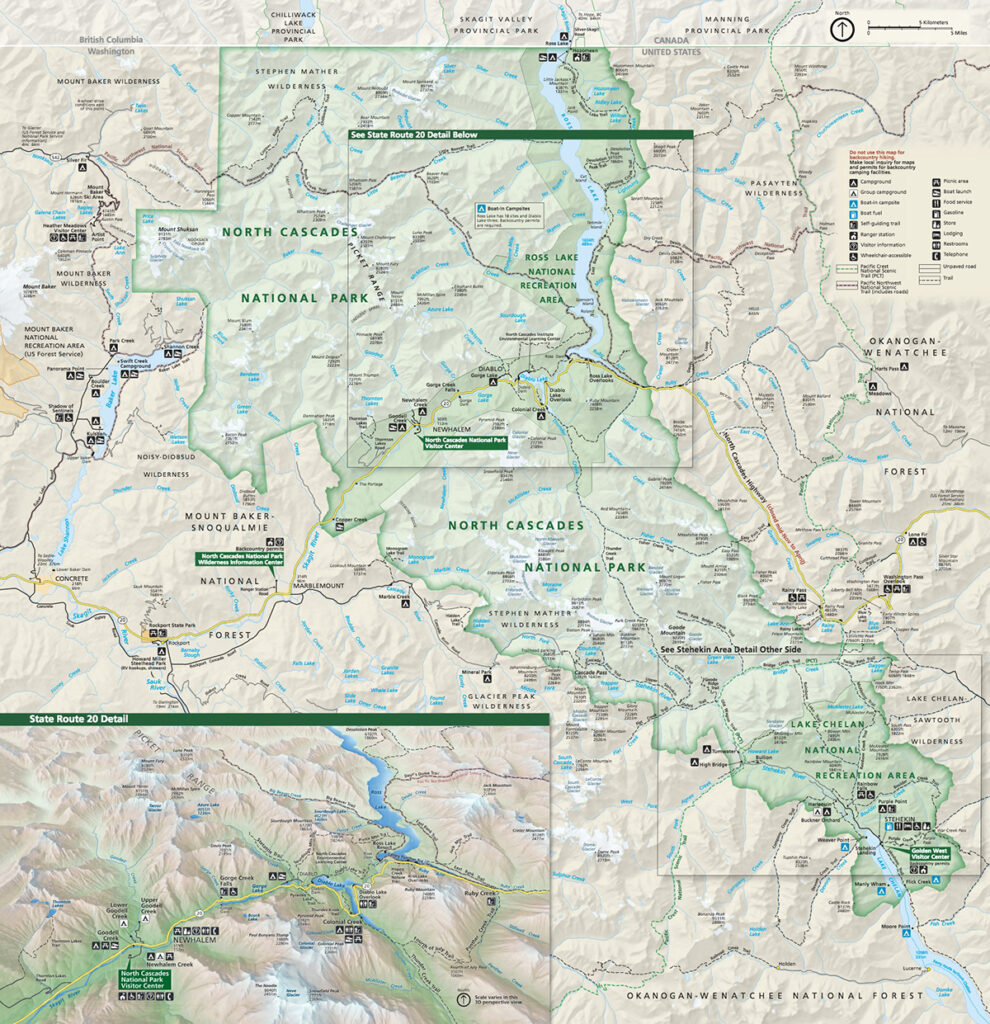
North Cascades National Park (The Official Park)
The core wilderness — rugged, remote, and mostly roadless. This is where you’ll find these hikes:
- Cascade Pass and Sahale Arm
- Thornton Lakes
- Copper Ridge backcountry
Good to know: There’s no entrance fee. One of the few national parks in the country where you can show up without paying.
Ross Lake National Recreation Area
This surrounds the park along Highway 20 and is what most visitors actually experience:
- Diablo Lake (that famous turquoise water)
- Ross Lake
- Newhalem area and the visitor center
- Colonial Creek and Newhalem campgrounds
- Thunder Knob, Pyramid Lake, and other accessible hikes
More developed, more accessible — but still stunning.

The National Forest Lands (Where Most People Actually Hike)
Here’s the thing: many of the most popular “North Cascades” hikes are technically in the Okanogan-Wenatchee National Forest, not the park.
- Maple Pass Loop
- Blue Lake
- Cutthroat Pass
- Hidden Lake Lookout (Mt. Baker-Snoqualmie NF)
Most people aren’t thinking about boundary lines when they’re standing on a ridgeline surrounded by golden larches. These trails ARE the North Cascades experience for most visitors.
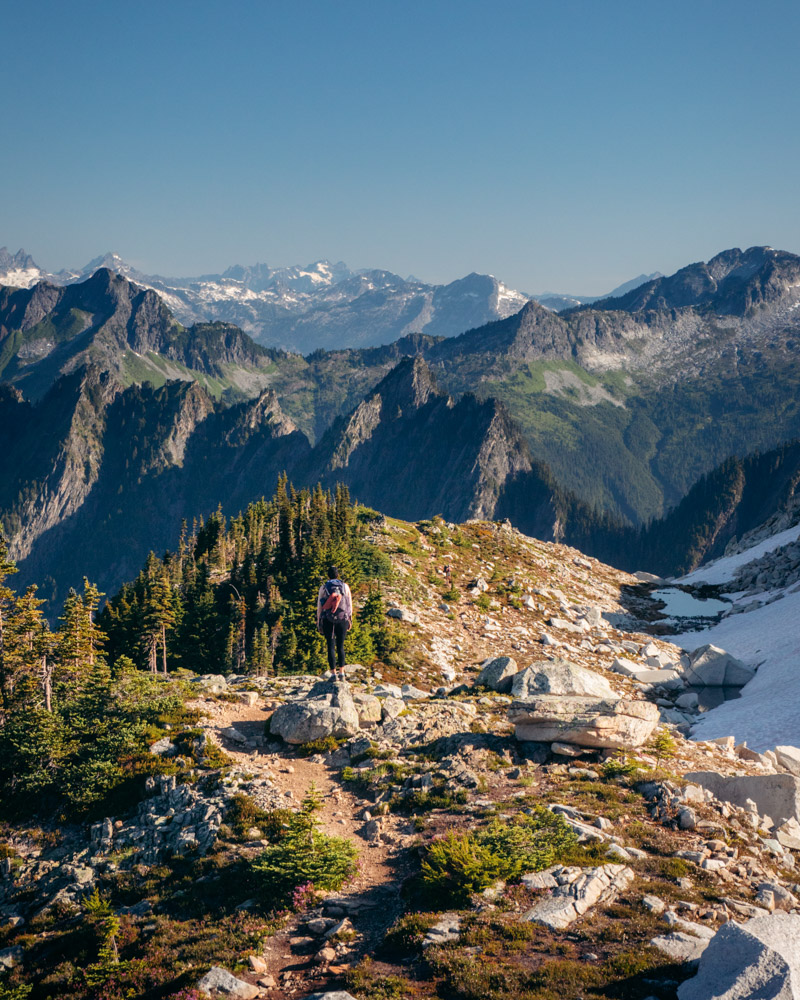
The Methow Valley & Mazama
The eastern gateway to the North Cascades — and a destination worth exploring in its own right.
This is one of my favorite places to just be in Washington. The valley has a different energy than the mountain towns on the west side — sunnier, quieter, with views of the North Cascades that you don’t get from the highway. It’s a real community, not a tourist trap.
If I’m staying on the east side, I always make time for the Mazama Public House — it’s become a ritual. Great food, good beer, and a laid-back vibe that fits the valley perfectly. And the bakery (Mazama Bakery, technically in the Mazama Store building) is to die for. Anytime I can, I stop for a latte and whatever baked good looks best that morning.
The lodging can be pricey — the cabins especially are a splurge — but there are some more affordable options if you dig around. Camping at Lone Fir or Klipchuck keeps costs down, and Winthrop (30 minutes away) has more budget-friendly rooms.
But beyond the food and lodging, Mazama has its own hikes that most visitors never explore. Goat Peak Lookout, Slate Peak, Harts Pass and trails along the Methow River are often overlooked.
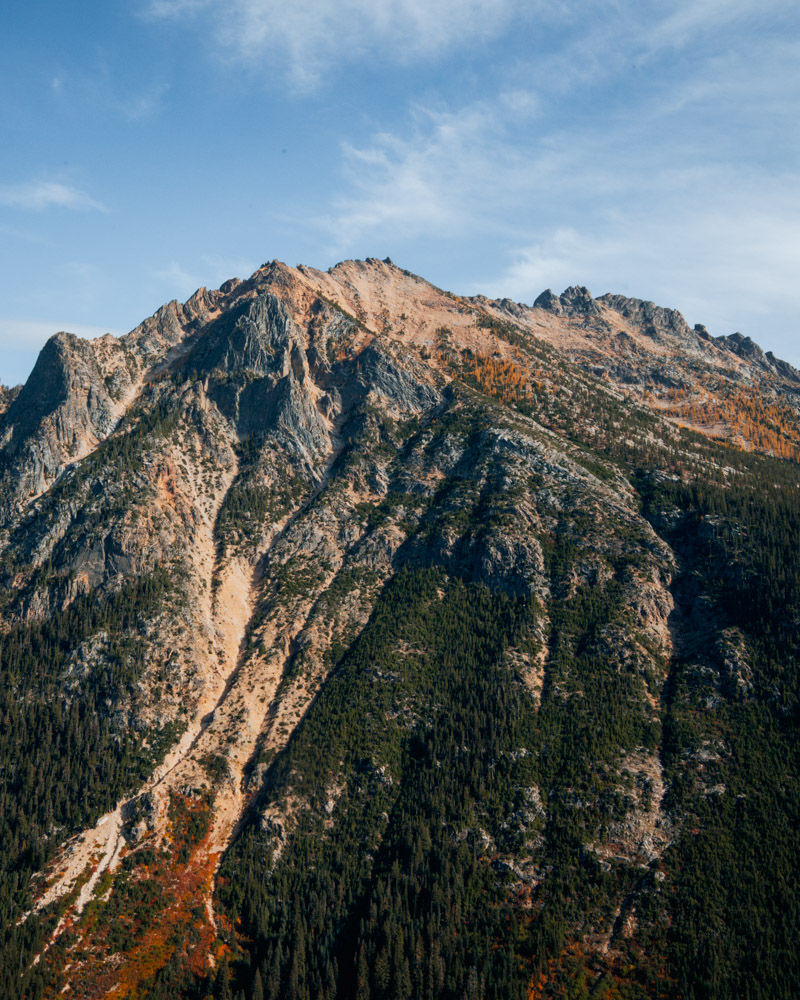
Harts Pass & Slate Peak
Harts Pass is one of the highest road in Washington State, climbing to over 6,000 feet. From there, a short spur road takes you to Slate Peak — 7,440 feet, with 360-degree views of the entire North Cascades range.
Most people don’t know this place exists. Even fewer make the drive.
The road from Mazama is 90 minutes of rough gravel, narrow switchbacks, and sections with big drop-offs. It’s not dangerous if you’re comfortable with mountain roads, but it’s not for everyone. High clearance helps but isn’t strictly required in good conditions.
But if you make the drive and time it for sunset? You’ll be standing above most of the peaks, watching alpenglow light up the entire range, with almost nobody else around. It’s one of the most spectacular viewpoints I’ve ever seen — and I’ve never had to fight for a parking spot.
The road typically closes with the first significant snow, usually mid-October. If you’re visiting during larch season and the road is still open, make time for Slate Peak. You won’t regret it.
Hikes from Harts Pass:
- Slate Peak (0.5 mi) — walk to the decommissioned lookout
- Grasshopper Pass via PCT (6-10 mi) — huge larch meadows, ridgeline walking
- Windy Pass (8 mi) — wildflowers, Pacific Crest Trail
Stehekin: The Hidden Valley
Stehekin sits at the head of Lake Chelan, accessible only by:
- Ferry from Chelan (4 hours each way)
- Hiking in via Cascade Pass or the Lakeshore Trail (very long day or overnight)
- Floatplane (scenic and expensive)
This is a completely different North Cascades experience — remote, quiet, off-grid. No cars (well, a few that were barged in decades ago). No cell service. Just a small community, a legendary bakery, waterfalls, and wilderness.
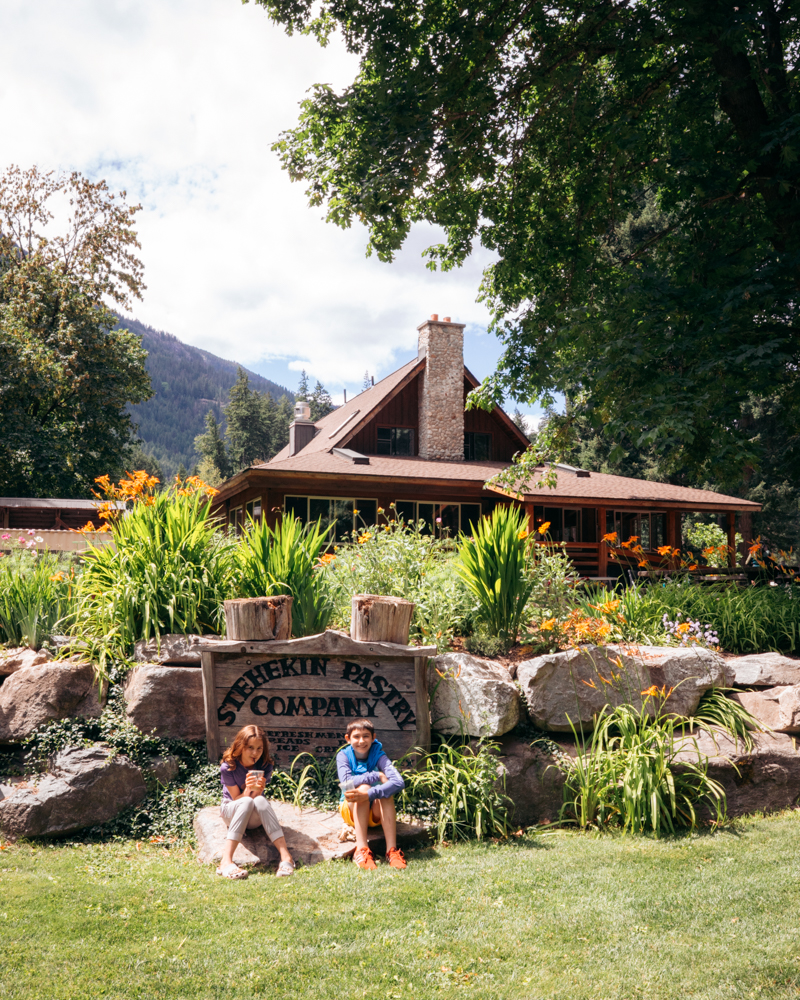
And yes — the bakery really is that good. The Stehekin Pastry Company is part of daily life here: cinnamon rolls the size of your head, fresh bread, and a steady stream of hikers, locals, and ferry passengers all passing through the same counter. It’s not a gimmick — it’s real.
I wrote a complete guide to visiting Stehekin — including how to get there, what to do, and how to make the most of a day trip or overnight.
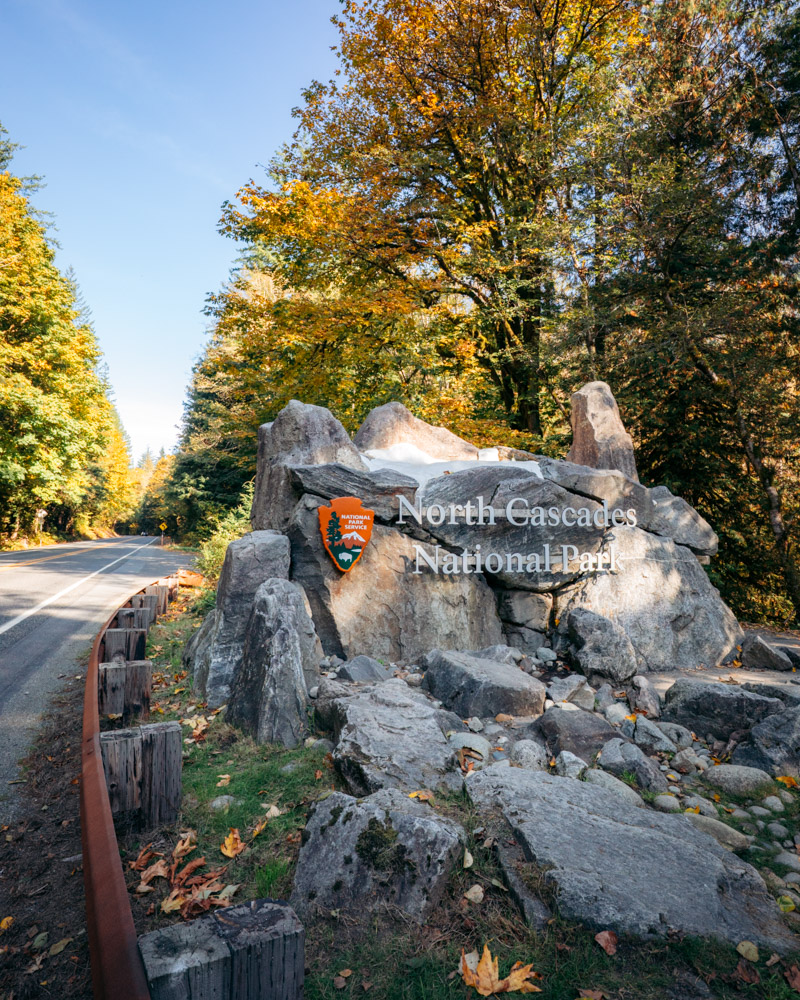
Getting to the North Cascades
From Seattle to Marblemount (west entrance): ~2.5 hours
From Seattle to Winthrop/Mazama (east side): ~4.5 hours via Highway 20
From Spokane to Winthrop: ~4.5 hours
Highway 20 closes in winter (typically late November through May) — check WSDOT before planning
Planning Essentials
Cell Service
Expect none. Between Marblemount and Winthrop, you’ll have zero cell service for most of the drive. Some carriers get spotty signal in Newhalem or at high points, but don’t count on it.
Download offline maps before you go (Google Maps, Gaia GPS, and AllTrails all have offline options). Tell someone your planned route and expected return time. If you’re worried about emergencies, consider a satellite communicator like a Garmin inReach.
Gas & Supplies
Last gas on the west side: Marblemount. Last gas on the east side: Winthrop. The Mazama Store has gas but limited hours — don’t count on it for evening fill-ups.
Groceries are very limited in the park area. Stock up in Seattle, Bellingham, or Wenatchee before you arrive. Bring more food and water than you think you need.
North Cascades Packing List (What We Always Bring)
- Day hike essentials: daypack, reusable water bottle, headlamp (you will need this — trails get dark fast)
- Layers + rain: packable rain jacket, midweight fleece (mornings at the pass are cold even in July)
- Navigation + safety: Garmin inReach or Zoleo (no cell service for 100+ miles), bear spray
- On the water: dry bag for paddling Diablo Lake, quick-dry towel
- Camp comfort: sleeping pad, warm sleeping bag, packable camp chair
- Camp kitchen: compact camp stove + fuel canister, cook set
- Bug plan (mid-summer): bug spray

Day 1: Diablo Lake & Western North Cascades
Day 1 of your 3 days in North Cascades National Park begins at the west entrance, where lush forests meet glacial lakes. This day balances sightseeing, short hikes, and water adventures.
Morning
- North Cascades Visitor Center (Newhalem): Grab maps, check conditions, and talk with rangers about trail updates. The exhibits give a great overview of the park’s natural history.
- Scenic Stops:
- Gorge Lake Overlook → rushing Skagit River views.
- Diablo Lake Overlook → jaw-dropping turquoise waters (a must for photos).

Midday Hike Options
Thunder Knob — Easy/Moderate
*3.6 miles round trip · 500 ft gain*
If you’re staying at Colonial Creek Campground, Thunder Knob is the obvious move — it’s right there across the way. No drive needed. The trail climbs through forest and opens to views over Diablo Lake and the peaks beyond. It pairs well with a paddle on the lake if you want to combine hiking and water time. Good for a morning or afternoon without burning you out for the rest of the day.
Bring a Nalgene water bottle and layers — the summit is exposed and can be windy.
Thunder Creek Trail — Easy
Variable distance (up to 12 miles RT) · Mostly flat

If you’re camped at Colonial Creek, Thunder Creek starts right from the campground — no driving, no planning, just walk in. The trail follows the creek through old-growth forest, and depending on how far you want to go, it can be a quick morning stroll or a longer half-day out-and-back. The first couple of miles are flat and shaded, perfect if you want to stretch your legs without committing to a full hike. It’s also a great option if the weather turns — the forest canopy keeps you dry and the river scenery holds up even on overcast days.
Thornton Lakes & Trapper’s Peak — Hard
10 miles round trip to Thornton Lakes · 2,500 ft gain (Trapper’s Peak adds more)
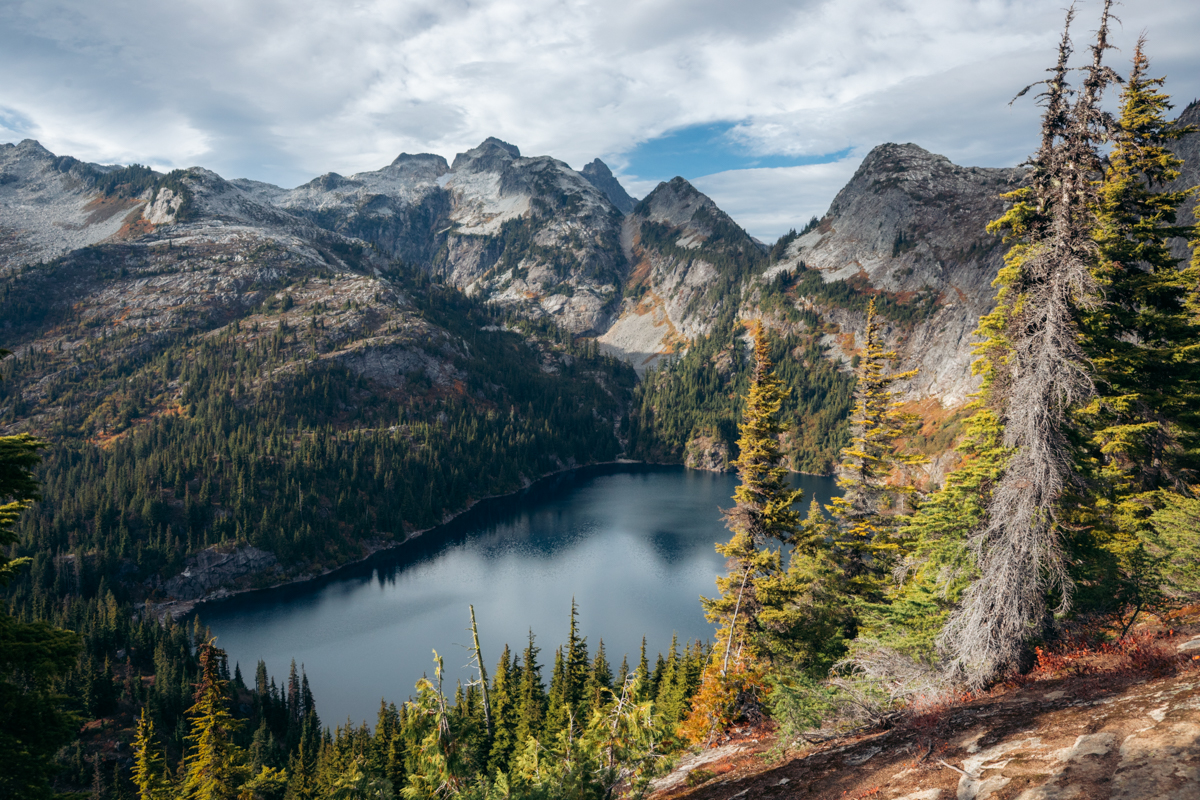
I drove past the Thornton Lakes trailhead a million times before I finally just decided to do it one afternoon instead of whatever I was originally headed up there to do.
The views are incredible — you hike up and suddenly you’re looking out over the lakes and the peaks beyond. If you push up to Trapper’s Peak, the views get even better. I never made it all the way down to the lake itself, but the views from above are really beautiful. I want to get a permit and spend the night down there someday.
This isn’t your average hike. It’s rockier, more challenging, and you won’t see many people. If your parents are asking where to hike in the North Cascades, this isn’t it. But if you want solid views, solitude, and something more technical than Blue Lake, this is the move.
I ended up hiking down in the dark, which was a little creepy. A good headlamp saved me — time it so you’re not doing that.
Afternoon on the Water
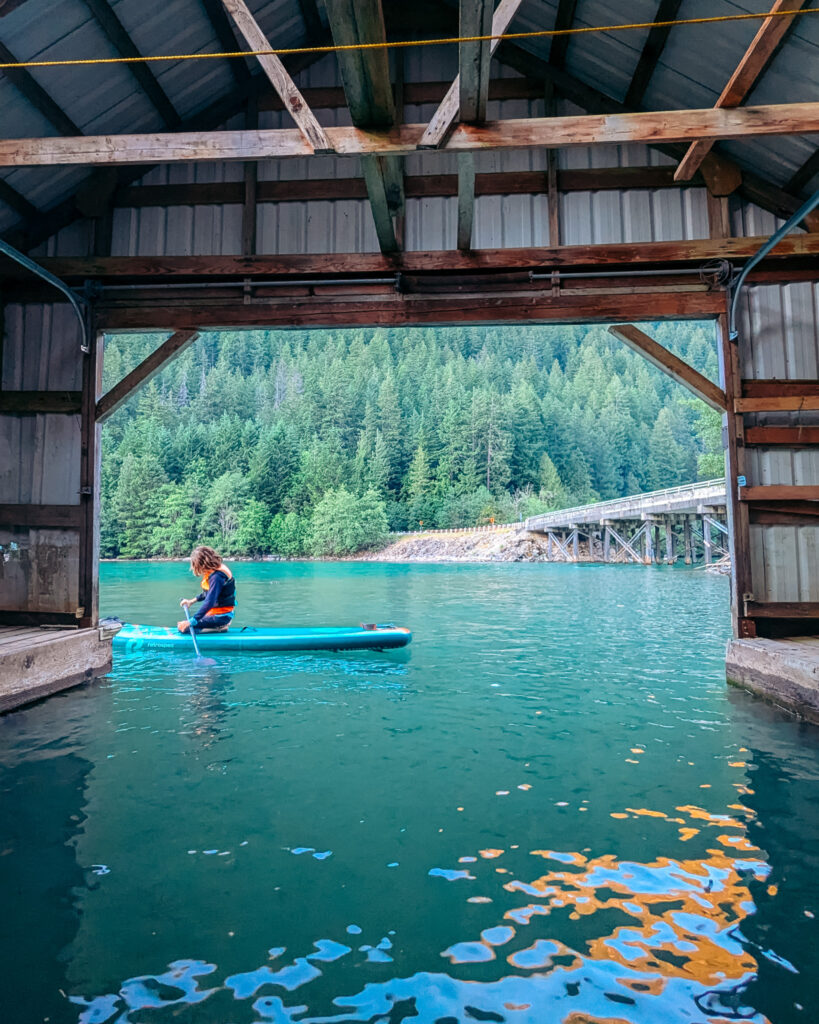
I’ve paddled on Diablo Lake several times — with my kids, solo, with my mom — and it’s a beautiful way to experience the water from below instead of just looking down at it from above. Early mornings and evenings are calm and lovely. Afternoons can get windy, so pay attention to conditions.

If you have your own kayak or SUP, bring it. Pack your gear in a large dry bag — Diablo Lake gets windy in the afternoon and things get wet. If not, North Cascade Kayaks in Rockport rents self-serve kayaks and SUPs. You transport them on your own vehicle and launch wherever you want.
There’s also Ross Lake Resort, a backcountry lodge accessible by hike or paddle. I’ve been trying to get reservations for six years and haven’t managed it yet — it’s nearly impossible to book. But if you can get in, it’s worth the effort. It’s that special.
Evening: Food + Camp/Lodging
- Eat: Mondo Restaurant (local favorite), or picnic at camp.
- Stay:
- We always try to snag a waterfront site at Colonial Creek Campground — it’s the best camping in the park, especially if you can paddle right from your site in the morning and evening when the lake is calm.
- Newhalem Creek Campground (family-friendly).
- Goodell Creek Campground (rustic, riverside).
- North Cascades Inn if you prefer a simple motel bed.

Day 2: Washington Pass & Alpine Heart
This is the day most people come for. Highway 20 here is the North Cascades at its most dramatic — Washington Pass overlook, the Maple Pass loop, Blue Lake, Cutthroat Pass. These are the hikes and views that define the park for most visitors.
Morning: Coffee + Pastries
- Stop at the Mazama Store & Bakery — legendary croissants and trail sandwiches. Stock up before you hit the trail.
- Mazama Public House → While better known for burgers and beer, they also serve hearty breakfast plates and coffee during summer mornings (great sit-down option if you want more than pastries).

Midday Hike Options
Rainy Lake — Easy
2 miles RT · Flat · Paved
Rainy Lake is the hike for people who think they can’t hike. Paved trail, flat, accessible for strollers, wheelchairs, or anyone just looking for a gentle walk. I brought my mom there and she loved it.
The view isn’t the showstopper — the lake sits off to the side of the platform so you’re not getting the full drama. But it’s a solid alpine lake with mountains around it, and it’s a good way to feel like you’re in the North Cascades without the commitment of a bigger hike.
If you’ve got someone in your group who’s nervous about hiking or mobility-limited, this is where you start. And honestly, there’s something nice about a walk where you can just talk and enjoy being outside without worrying about the next switchback.

Blue Lake — Easy/Moderate
4.6 miles round trip · 1,050 ft gain
Blue Lake was my first hike in the North Cascades. I drove three hours from Seattle with my now-husband and his dad, who couldn’t believe we were making that drive just to hike. We never actually made it to the lake that day — we got distracted by mountain goats and turned around early.
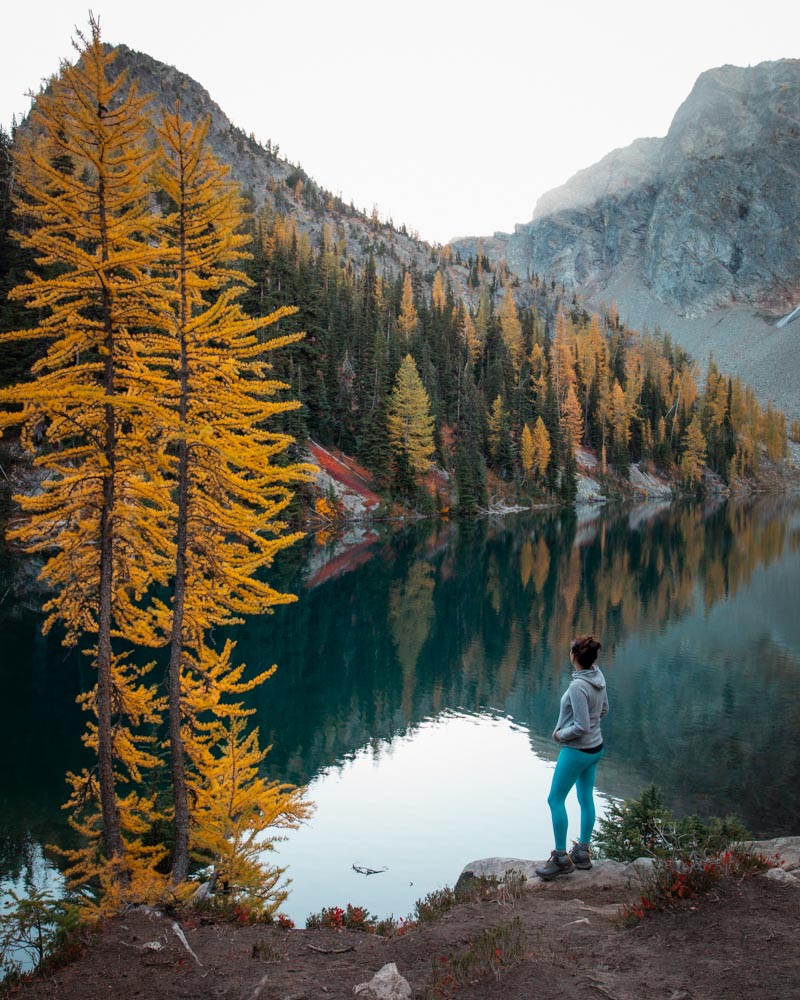
What you get here is a solid alpine lake tucked into a mountain basin beneath Liberty Bell and the Early Winters Spires. It’s not the ridgeline walk you get on Maple Pass, and it’s quieter than that. In fall, the larches turn golden and there’s often snow dusting the ridges above. The water is glacial cold — bring a quick-dry towel if you’re going in.If you go at sunrise, the light hits the lake and the peaks behind it beautifully.
For under five miles and less than 1,100 feet of gain, it’s a great option if you don’t want to spend all day climbing. You get a scenic lake in a dramatic mountain basin, a swim if you’re brave, and you’re back early enough to still have energy for the rest of the day. I wrote a detailed Blue Lake trail guide with everything you need to know.
Maple Pass Loop — Moderate
7.5 miles loop · 2,150 ft gain
I wrote an entire post about this hike because I initially thought it was overrated. Everyone raves about it, the parking lot is packed, and I went in skeptical. But here’s what I’ve learned: Maple Pass gives you the best taste of the North Cascades for the least amount of effort. If there’s one hike you do in this park, it should be this one.
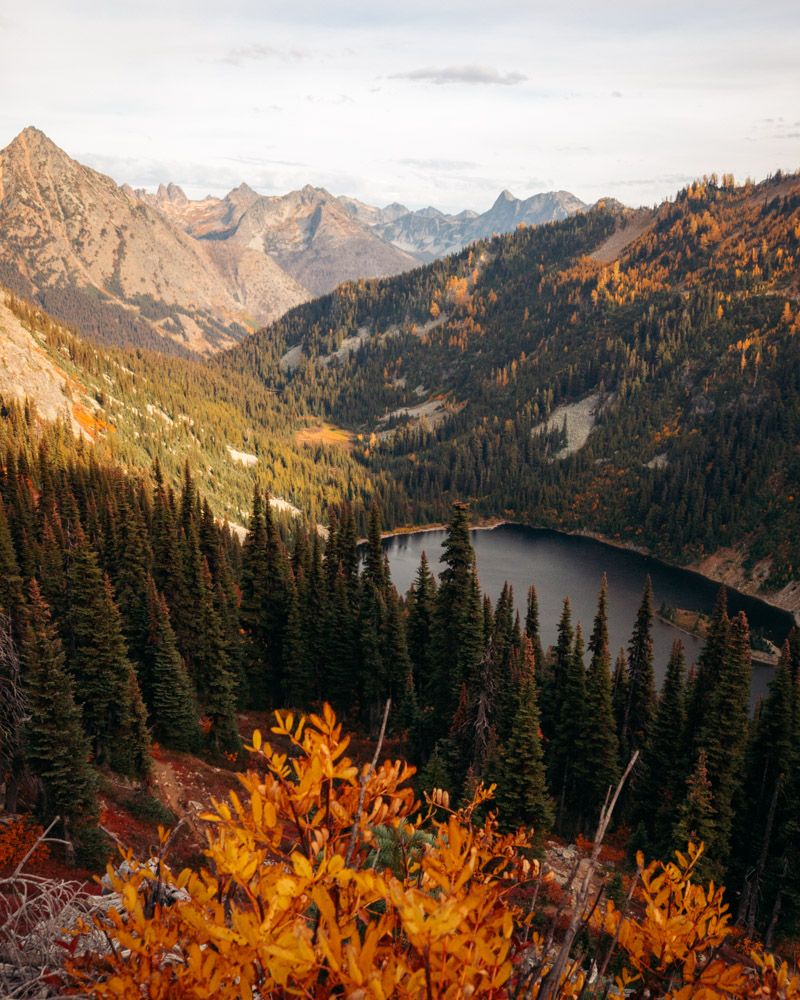
The views shift constantly. You get ridgeline walking with 360° views, then you drop into Lake Ann below you, then the larches in fall turn everything golden. It’s not one big payoff — it’s layers. That’s what makes it special.
Seven and a half miles, 2,150 feet of gain. It’s steep in sections but the views keep you moving. The crowds are real, especially in fall and on weekends, so go early or go on a weekday if you can. But even with people around, once you’re on the ridgeline, it feels like you’re alone.
This is a at minimum half day commitment — pack plenty of water, snacks, and a packable rain jacket even if it looks clear at the trailhead. Weather changes fast at the pass. I wrote a full North Cascades larch season itinerary if you’re visiting in fall, and a detailed Maple Pass Loop trail guide with trailhead directions and parking tips.
Cutthroat Pass — Moderate
*10 miles round trip · 2,000 ft gain (from Maple Pass parking lot)*
There are two ways to do this hike. You can start from the Cutthroat Lake trailhead (lower on Highway 20) and hike up to the pass from there. Or you can park across the street from Maple Pass and hike through larch forest the whole way up to Cutthroat Pass.
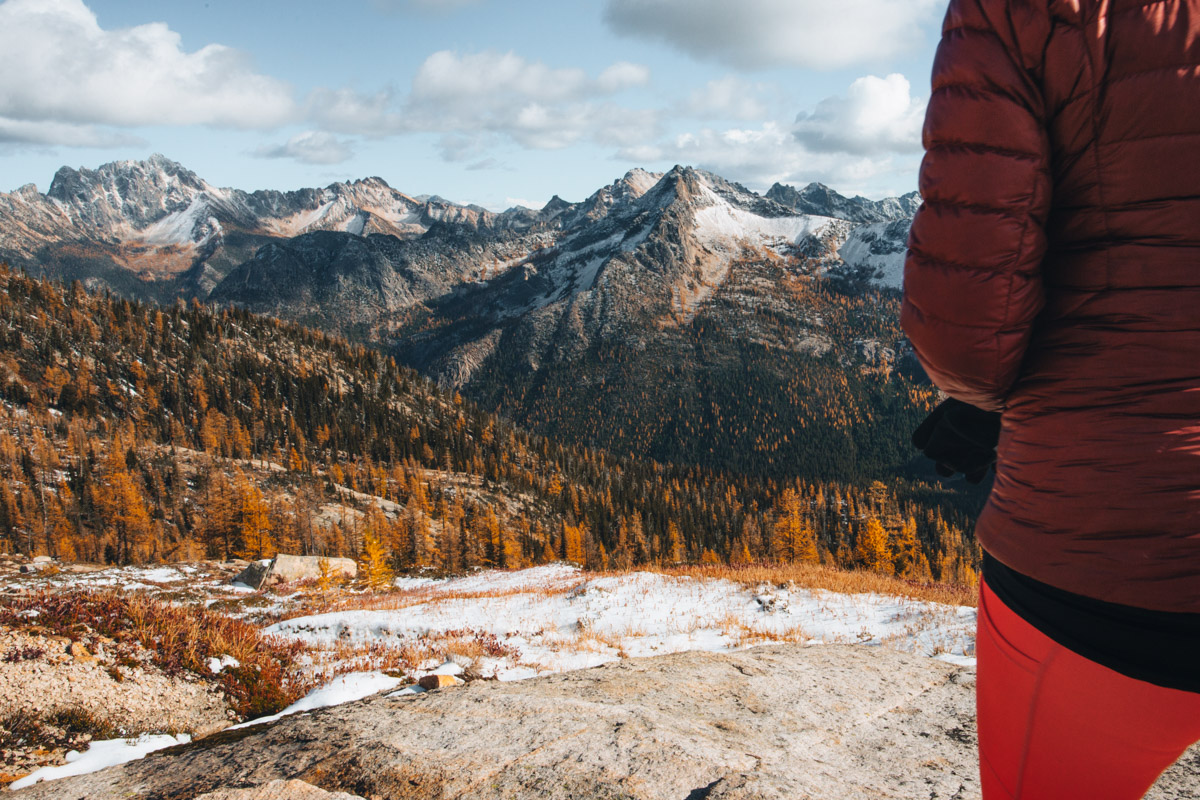
I’ve only done it from the Maple Pass parking lot. The views from the top are stunning — similar scale to Maple Pass but it feels a bit quieter. If you don’t want to go all the way to the pass, Cutthroat Lake itself is a solid turnaround — easier, shorter, still beautiful.
Wing Lake — Harder Day Hike Option
12 miles round trip · 3,100 ft gain
You start on Maple Pass Loop and then cut off toward Black Peak. The boulder field is fun to navigate, the views are gorgeous, and even though Maple Pass is popular, Wing Lake feels off the beaten path. In fall, the larches surrounding the lake are incredible. If you’re up for a longer day and comfortable with some scrambling, it’s worth it.
Wing Lake also makes an incredible overnight — I included it in my list of the best backpacking trips in Washington for a reason.

Washington Pass Overlook — Afternoon
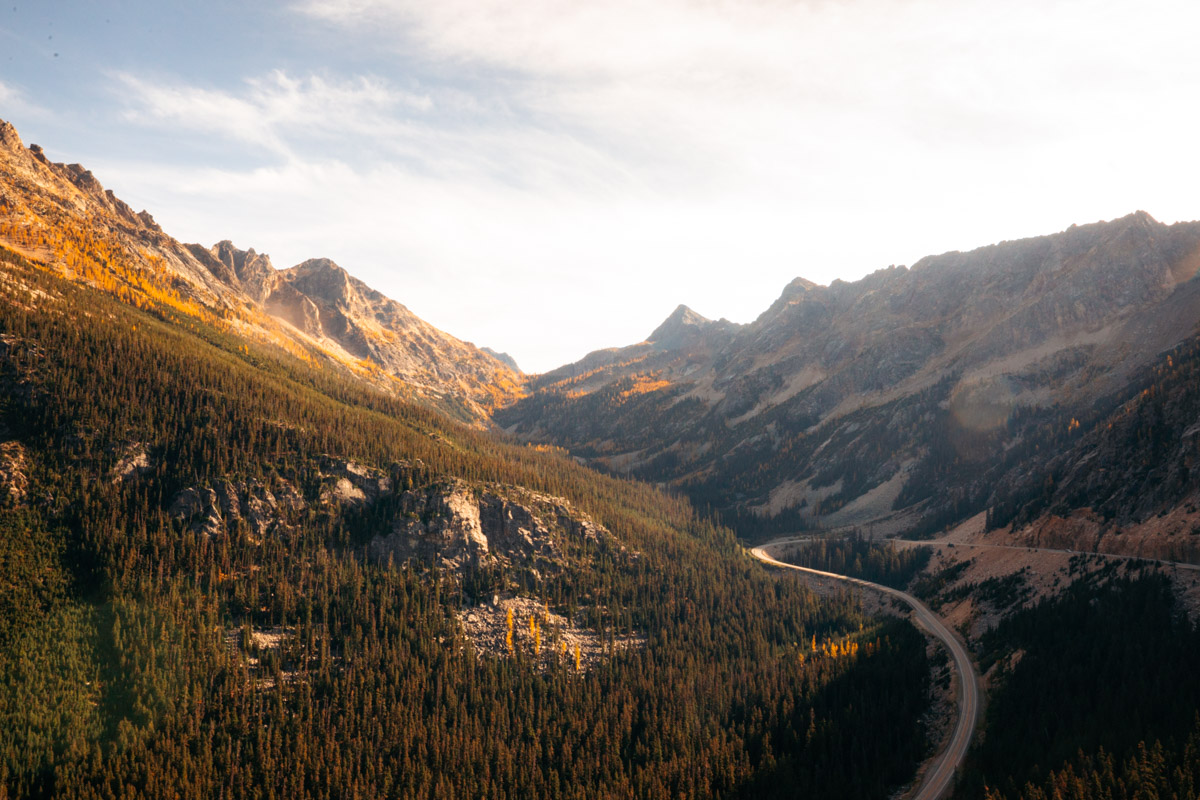
On the drive back along Highway 20, pull over at the Washington Pass Overlook. It’s an easy stop — a short paved path to a viewpoint — but it’s one I never skip. Liberty Bell Mountain rises straight out of the valley, and the road you just drove suddenly feels improbably steep and small below you.
This is one of those places that doesn’t ask much, but gives a lot. In fall, the larches glow in the basin beneath the pass, and even if you’re tired from hiking, it’s worth getting out of the car. It helps put the day — and the scale of this place — into perspective.
Sunset Options
Goat Peak Lookout
5 miles round trip · 1,400 ft gain
I hiked Goat Peak during larch season because the lookout sits in the middle of golden trees. But what really stuck with me was the sunset.
The hike itself is pretty straightforward for what you get — good views on the drive up with a couple of pullouts worth stopping at, then a steady climb to the lookout. Once you’re up there, you can see for miles. I hung out, watched the light change over the valley, and stayed longer than I planned.
Coming down in the dark with my headlamp is when things got interesting. I saw glowing eyes on the trail — something big enough that I’m pretty sure it was a cougar. I didn’t stick around to find out. (Carrying bear spray helps with more than just bears.) This is the kind of moment that lives rent-free in your head, even if it wasn’t exactly my favorite memory at the time.
If you go, time it for sunset. And maybe don’t linger quite as long as I did.

Sunset: Slate Peak — Drive-to Viewpoint
0.5 miles from parking lot · 7,440 ft elevation
Slate Peak is the other sunset option, and honestly, it might be the better one if you don’t want to hike. The drive up to Harts Pass is rough — gravel, narrow switchbacks, big drop-offs — but take it slow and it’s manageable. You can see the sunset from the parking lot itself, or walk up a half mile to the decommissioned lookout for the full view.
At 7,440 feet, you’re above most of the peaks. The light hits the whole North Cascades range at once — it’s dramatic and massive in a way the valley hikes aren’t. And since you can drive there, it’s accessible even if you’re tired from a full day of hiking.
Just know it’s not a paved road or an easy drive. High clearance helps. And the road typically closes with the first significant snow, usually mid-October, so if you’re visiting in fall and it’s still open, make the time for it.

Evening: Food + Camp/Lodging
- Eat in Mazama: Mazama Public House (burgers + beer).
- Eat in Winthrop: Old Schoolhouse Brewery (beer + music), East 20 Pizza (family-friendly), Copper Glance (cocktails), Sheri’s Sweet Shoppe (dessert).
- Stay:
- Klipchuck Campground (quiet pine forest, personal favorite).
- Early Winters Campground (convenient forested sites).
- Rolling Huts (modern, minimalist cabins by Tom Kundig).
- Mazama Country Inn (cozy lodge with meals).
- Sun Mountain Lodge (luxury with views + spa).
Day 3: Cascade River Road & Baker Lake
Cascade River Road is one of those drives where you keep pulling over because the views won’t stop. This is where you’ll find some of the bigger hikes — Cascade Pass, Sahale Arm, Hidden Lake — and then you can finish the trip with a swim at Baker Lake.
Cascade Pass & Sahale Arm – Hard (Cascade Pass alone is Moderate)
I’ve done this hike several times — as a day hike and as a backpack — and both are incredible. The backpack is amazing, but fair warning: permits are brutally hard to get. I literally slept in the ranger station to snag one.
The switchbacks at the start are relentless. You’re in the woods and they just keep coming. But before you even hit the trail, the parking lot views alone are worth the drive — seriously, pull in and just look around for a few minutes.
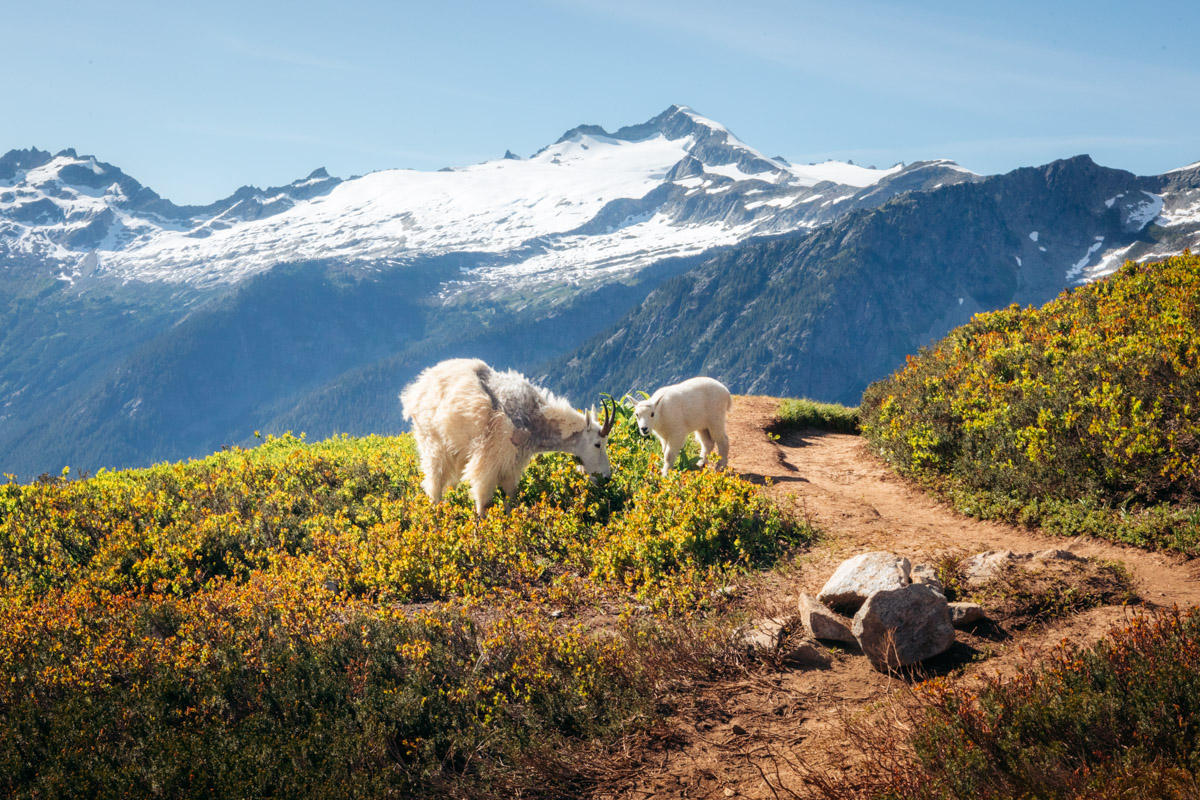
Here’s the thing about this hike: you share it. I came around a corner and there was a bear coming around the other way, maybe fifteen feet apart. We locked eyes for a second, I backed up slowly, stepped off the trail, and he just walked past. It was shocking and wild and exactly the kind of moment that makes you remember why you came. You’ll see mountain goats too, sometimes with babies. Bears, goats, wildflowers, glaciers — it’s all there.
If you can’t make it all the way to Sahale Arm, just getting above Doubtful Lake or stopping at Cascade Pass itself is a win. The views are extraordinary. And if you go in fall, the whole thing is painted in color like nowhere else in the North Cascades. Honestly, it might be the best hike on this itinerary — maybe tied with Maple Pass.
Hidden Lake Lookout – Hard
9 miles round trip · 3,400 ft gain
The road to Hidden Lake is notorious, but honestly, the last time I was up there it wasn’t as bad as people say. Take it slow and you’re fine.
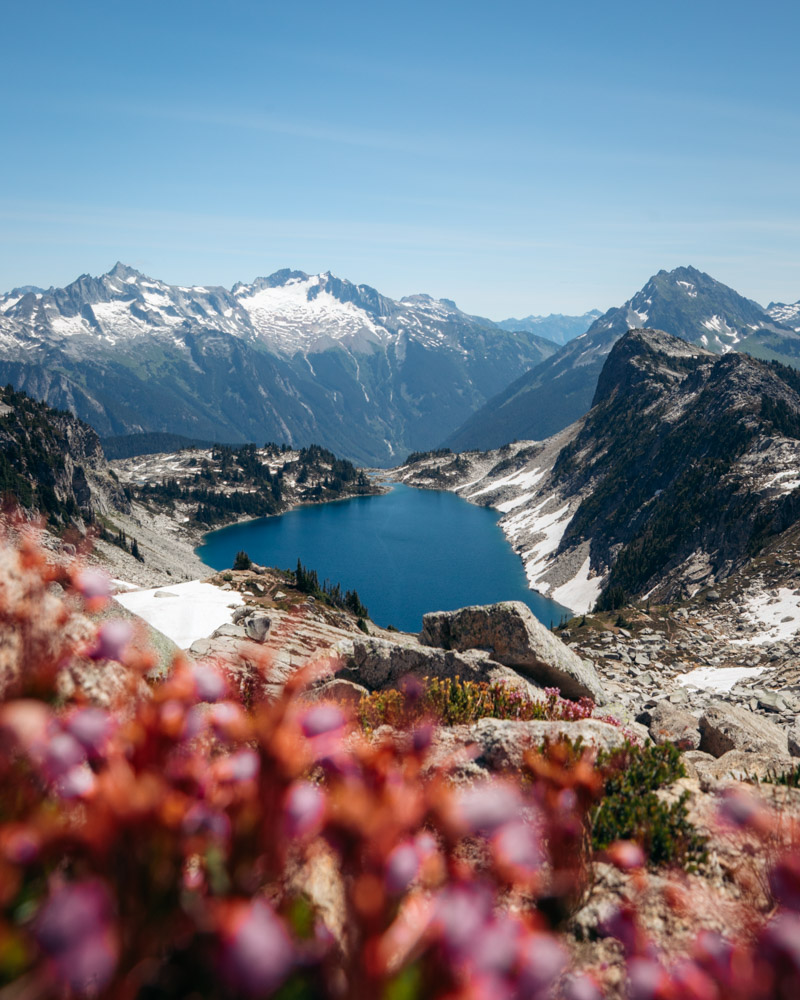
The hike itself is a stunner, even if you don’t make it all the way to the lookout. Once you get into the valley and start climbing, the views open up — you can see Hidden Lake below you, and the Eldorado massif and glaciers rising above it. It’s dramatic.
If you push to the lookout, you get 360° views from a fire tower perched on the edge of a cliff. The lookout is a great place to spend the night — I’ve shared it with strangers, played games, watched the stars. Waking up there with that view is something else.
If you’re staying the night, bring a sleeping pad and a warm sleeping bag — it’s exposed and the temperature drops fast after sunset. A headlamp is non-negotiable.
It’s definitely on the challenging side — not crazy hard, but solidly more effort than Blue Lake. But it’s worth it.
Afternoon: Cool Off at Baker Lake
Baker Lake is one of those magical, local places. You can see Mount Baker and Mount Shuksan from the water. If you’re finishing your three days and want a refreshing swim on the way out, pull off at one of the access points and spend an hour on the water. It’s a nice way to end the trip.
Bring water shoes — the shoreline is rocky in spots — and a quick-dry towel.

Evening: Food + Camp/Lodging
- Eat in Marblemount: Upriver Grill & Taproom – A local favorite open seasonally.
- Extend to Stehekin: Take the ferry or hike in for a unique overnight. Stay at the North Cascades Lodge or Stehekin Valley Ranch. Don’t miss the Stehekin Pastry Company.
Where to Stay + Eat in the North Cascades
Where to stay in the NCNP depends on what type of traveller you are. There are inns and resorts on the periphery of the park, campgrounds inside the park, and of course, backcountry campsites for those seeking the full outdoor experience.
Marblemount (West Entrance)
Marblemount is the last real town before entering the park from the west. It’s small and rustic, but it’s the perfect base for exploring Diablo Lake, Cascade Pass, and Hidden Lake Lookout.
Campgrounds (book on Recreation.gov):
- Colonial Creek Campground → The classic choice. Drive-in sites tucked into old-growth forest right on Diablo Lake. Launch your paddleboard, jump in for a (freezing!) swim, or enjoy a campfire with lake views. We always bring camp chairs for the waterfront sites — evening light on Diablo Lake is incredible.
- Reserve well in advance — this is one of the most popular campgrounds in the park.
- Newhalem Creek Campground → Best for families. Spacious sites, flat trails nearby, and ranger-led evening programs make this a fun option with kids. Close to the Visitor Center.
- Goodell Creek Campground → Rustic and relaxed. Smaller, more primitive campground shaded by big cedars along the Skagit River. Great if you want fewer crowds and a more back-to-nature feel.


Lodging:
- North Cascades Inn → Simple, affordable, well appointed INN-style rooms.
- Cabins & B&Bs: A handful of rustic cabins and quirky B&Bs dot the area for those who want comfort without leaving the mountains.
Food:
- Upriver Grill & Taproom – A local favorite open seasonally (May–October), known for gourmet burgers like the Mushroom Swiss and “Up River Heat,” fresh salads, and gluten-free options. Combines a rustic-modern vibe with taproom brews, a garden patio, and relaxed outdoor games suited for families and hikers alike. A great after-trail relaxer.
- Mondo Restaurant → Locally loved spot with hearty portions.
- Marblemount General Store → Stock up on trail snacks, firewood, and essentials before heading deeper into the mountains. (Although I would recommend shopping before this stop in Arlington or Winthrop. )
Mazama (East Side)
Mazama is charming and always growing — a mountain hamlet that’s home to climbers, hikers, and locals who love good food. It’s the perfect base for Washington Pass, Blue Lake, Maple Pass, and Cutthroat Pass.
Campgrounds (Recreation.gov):
- Early Winters Campground → Shady forested sites just off Highway 20. Convenient, but fills quickly in summer.
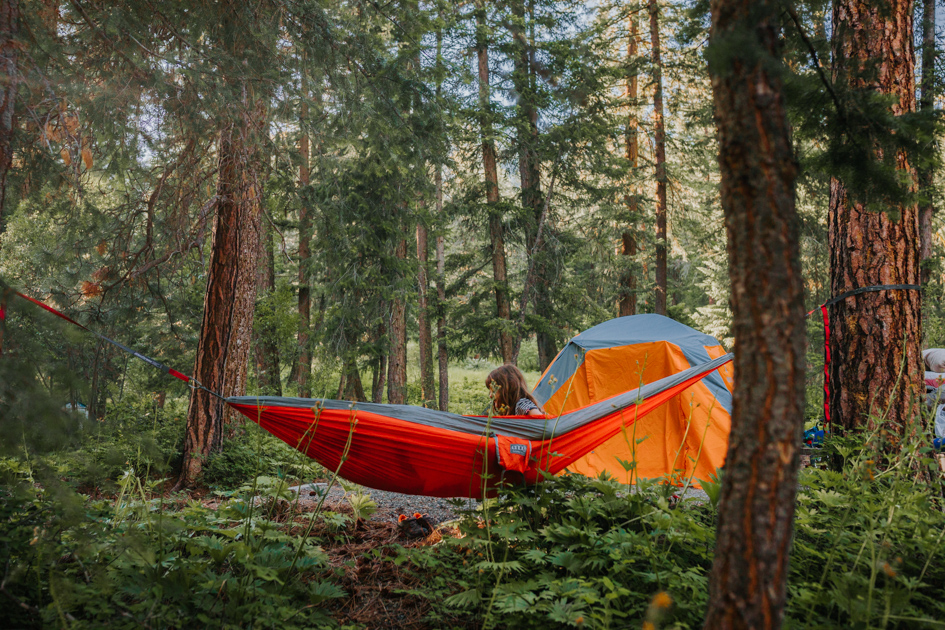
- Klipchuck Campground (my personal favorite) → Nestled in a quiet pine forest about 8 miles west of Mazama. Spacious sites, crisp mountain air, and a peaceful vibe make it the ideal basecamp for Maple Pass, Blue Lake, and Cutthroat Pass.
A camp stove and cook set make mornings here easy — coffee with mountain views before hitting the trail.

Lodging:
- The Inn at Mazama → A boutique mountain lodge with spacious rooms and cozy cabins. Amenities include private decks, gas stoves, jetted tubs, a seasonal pool, year-round hot tub, sauna, and a clubhouse with yoga and coworking spaces.
- Rolling Huts → Six minimalist modern huts designed by architect Tom Kundig. Big views, wood stoves, and a stylish alternative to traditional cabins.
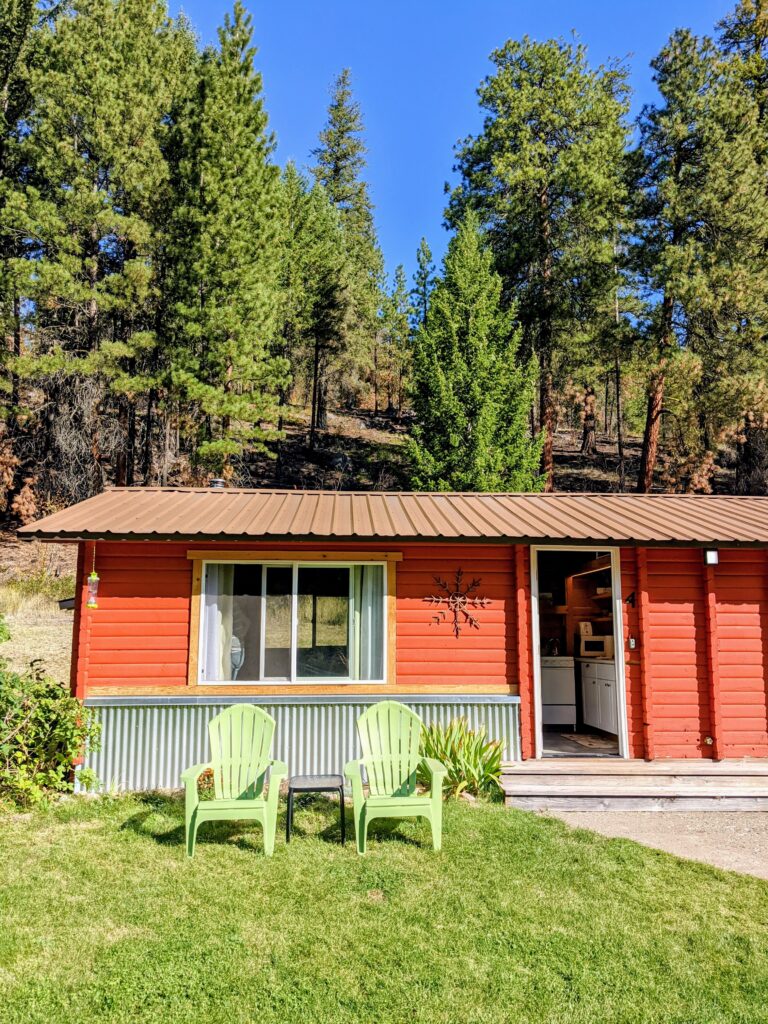
- Lost River Resort → Just outside town on Lost River Road, this secluded spot offers rustic cabins with full kitchens and wood stoves. Surrounded by forest, it gives direct access to hiking, biking, and snowshoe trails right from your doorstep.
- Cabins & Vacation Rentals → From rustic A-frames to luxury chalets, Mazama has plenty of rental options.
Food:
- Mazama Store & Bakery → Famous for croissants, espresso, and hiker-friendly sandwiches. Get there early — pastries sell out fast.
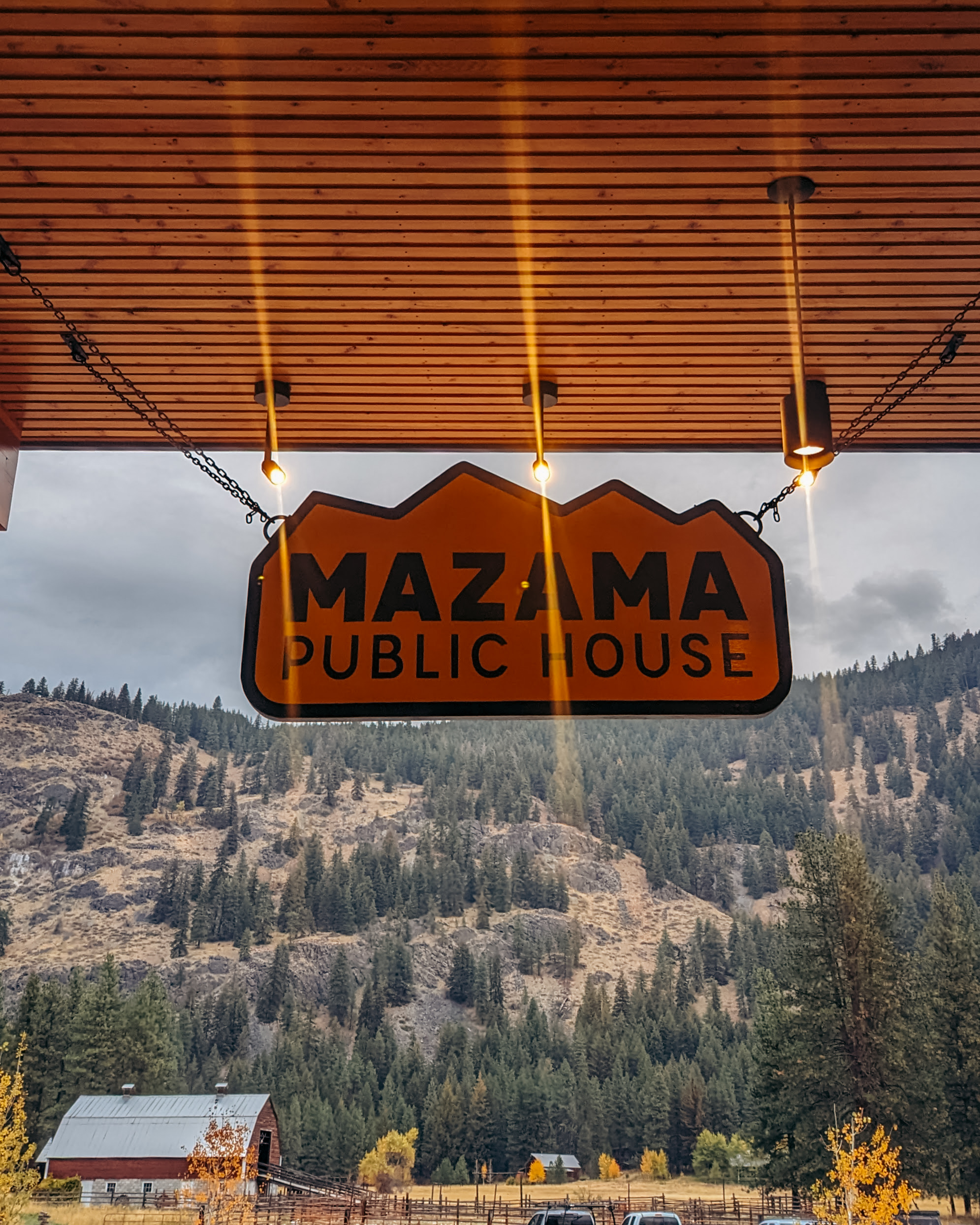
- Mazama Public House → Casual burgers, tacos, and craft beer (and, weirdly, some of the best sushi I’ve ever had).
Winthrop (Methow Valley)
If Mazama is rustic (glamorous rustic), Winthrop is lively — a quirky Old West–themed town that makes a fantastic base for longer stays. Great for families or anyone wanting more dining and lodging variety. And a few more other amenities: A cool library, horseback riding, rafting, mountain biking and cool swimming holes. I wrote a full guide to visiting Winthrop if you’re planning to spend more time on the east side.
Campgrounds:
- Klipchuck (via Mazama): Best if you still want to camp closer to the mountains.
- Pearrygin Lake State Park: A favorite summer spot just outside Winthrop, with grassy lakeside campsites, a sandy beach for swimming, and easy access to boating, fishing, and hiking trails. Great for families.
- Riverside sites near Winthrop: Several Forest Service and state park campgrounds hug the Methow River, perfect for combining camping with town visits.
Lodging:
- River’s Edge Resort: Riverside cabins with private decks and hot tubs, steps from town shops and dining.
- Methow River Lodge & Cabins: Cozy, quiet cabins with full kitchens and decks over the river; valued for cleanliness, comfort, and thoughtful extras like free bikes and laundry.
- Chewuch Inn & Cabins: Charming cottage-style lodging with kitchenettes, excellent breakfast, and peaceful, deer-populated grounds.
- Sun Mountain Lodge: Sitting above the Methow Valley, Sun Mountain Lodge makes a scenic home base for exploring the dramatic peaks, alpine lakes, and scenic drives of the North Cascades. It’s the perfect balance of adventure-filled days and quiet, relaxed evenings.
Food:
- Old Schoolhouse Brewery → Craft beer, live music, and a deck overlooking the river.
- East 20 Pizza → Local favorite for wood-fired pies and the most delicious calzones (great for families).
- Copper Glance → Upscale cocktails and small plates with really fresh ingredients.
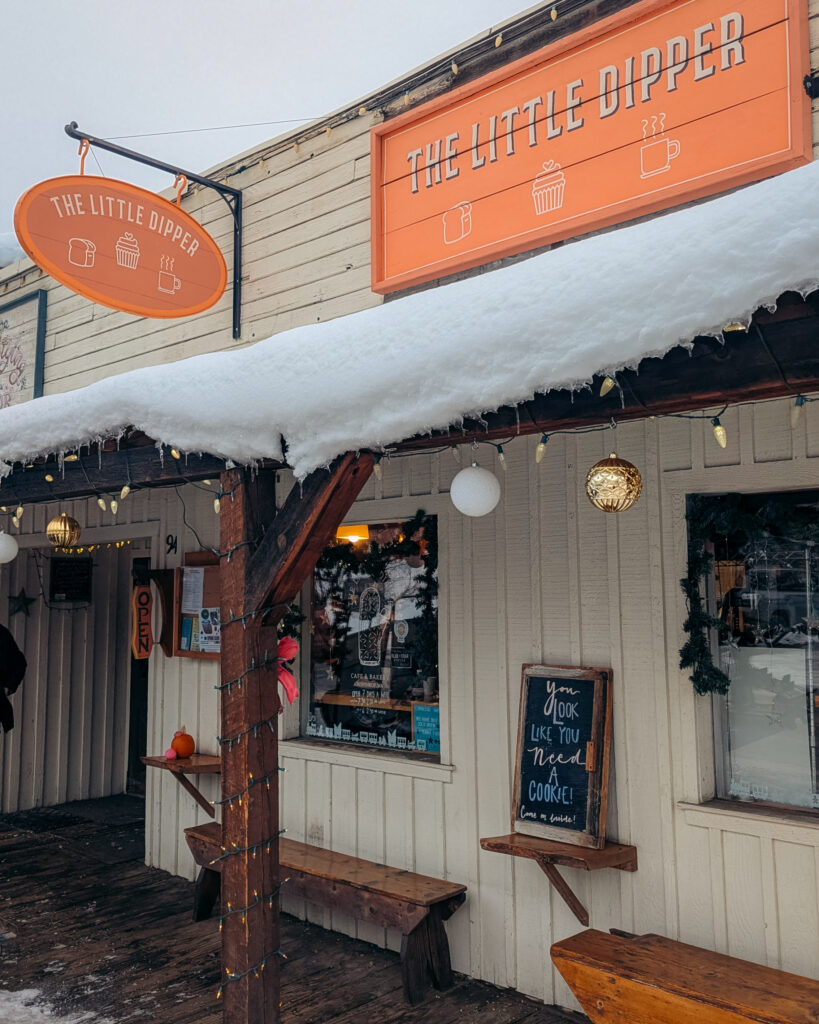
- The Little Dipper → awesome espresso and baked goods and extremely friendly service!
Stehekin (Boat- or Hike-in Only)
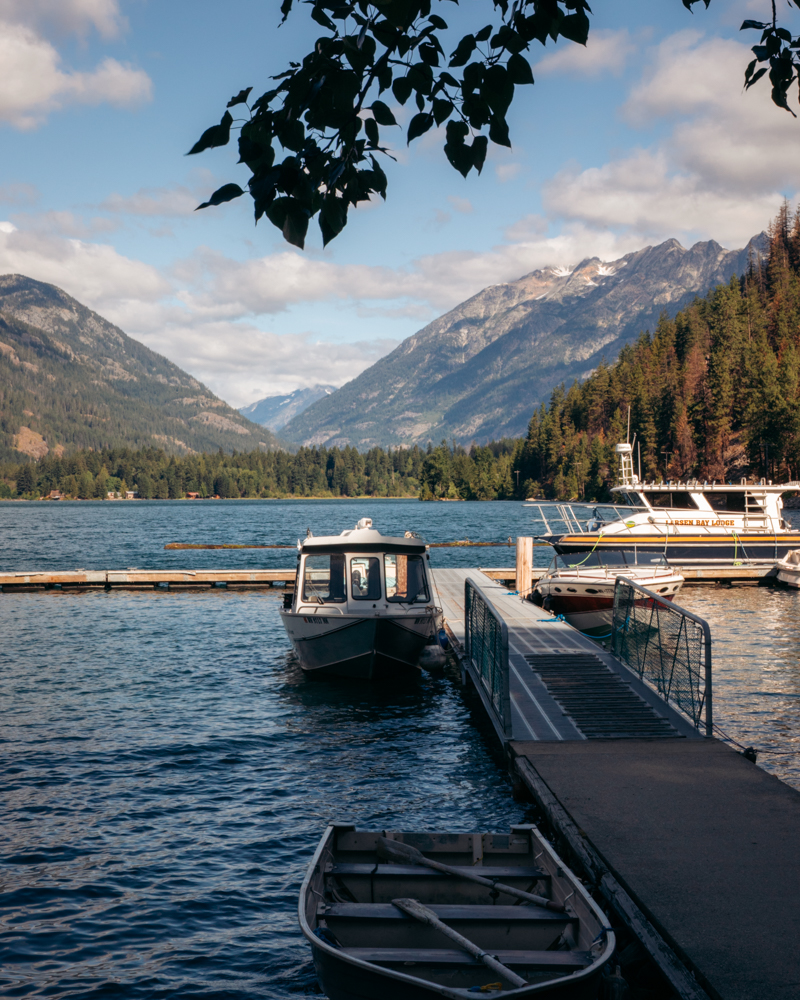
Stehekin is one of the most unique and remote places in Washington — accessible only by boat, plane, or foot. It feels like stepping back in time and is a magical extension to any North Cascades trip.
Campgrounds (Recreation.gov):
- Purple Point Campground → Near the boat landing, easy walk-in access, lake views.
- Harlequin Campground → More secluded forest setting further up the valley.
Lodging:
- North Cascades Lodge at Stehekin → Cozy lakeside lodge right at the ferry dock.
- Stehekin Valley Ranch → Rustic cabins in a beautiful meadow setting, meals included.
Food:
Lodge Dining Room / Ranch Meals → Hearty, home-style cooking in a family-style setting.
Stehekin Pastry Company → Legendary. Don’t leave without trying their cinnamon rolls, pies, and fresh bread.
Best Campground Picks
Colonial Creek (Diablo Lake) → Iconic lakeside camping; paddle or swim right from your site.
Klipchuck (Mazama) → Peaceful pine forest basecamp near Washington Pass trails.
Newhalem Creek → Family-friendly with ranger programs and easy access to the Visitor Center.
Best Lodging Picks in the North Cascades
Sun Mountain Lodge (Winthrop) → Iconic luxury stay with panoramic views, spa, fine dining, and horseback riding.
Rolling Huts (Mazama) → Unique and stylish minimalist huts designed by Tom Kundig, with mountain views and a modern vibe.
The Inn at Mazama (Mazama) → Comfortable lodge with a pool, hot tub, and easy trail access right from town.
Continue Your North Cascades Adventure
The North Cascades has so much more to explore. Here’s how to expand your alpine adventures:
- 10 Best Backpacking Trips in Washington — Including North Cascades multi-day adventures
- Backpacking Chain Lakes Loop — Epic alpine lake hopping near Mount Baker
- Best Beginner Backpacking Trips Near Seattle — Including Watson Lakes and Baker Lake near the North Cascades
- Best Golden Larch Hikes in Washington — Experience North Cascades autumn magic
- Blue Lake Trail Guide — Everything you need to know for this classic North Cascades hike
- Guide to Winthrop & the Methow Valley — The eastern gateway to the North Cascades