White Pocket: What I Learned Hiring a Guide (and Why I’d DIY It Next Time)
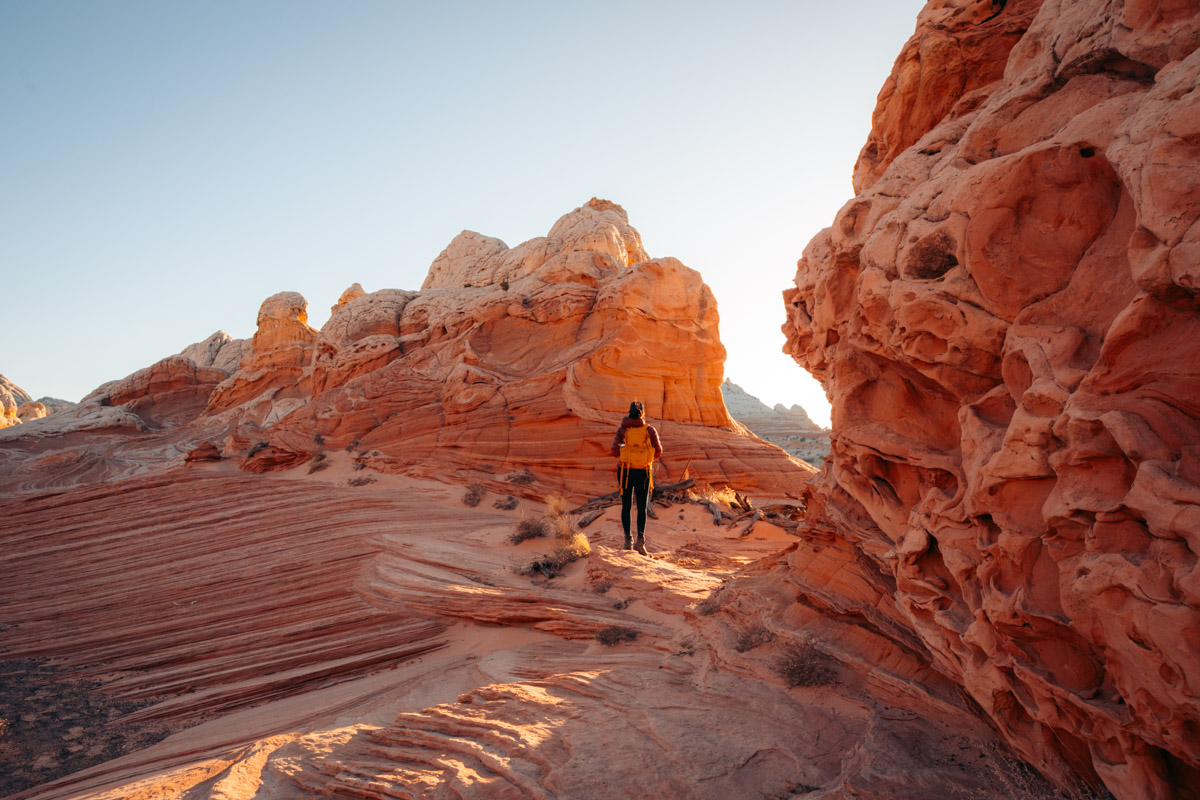
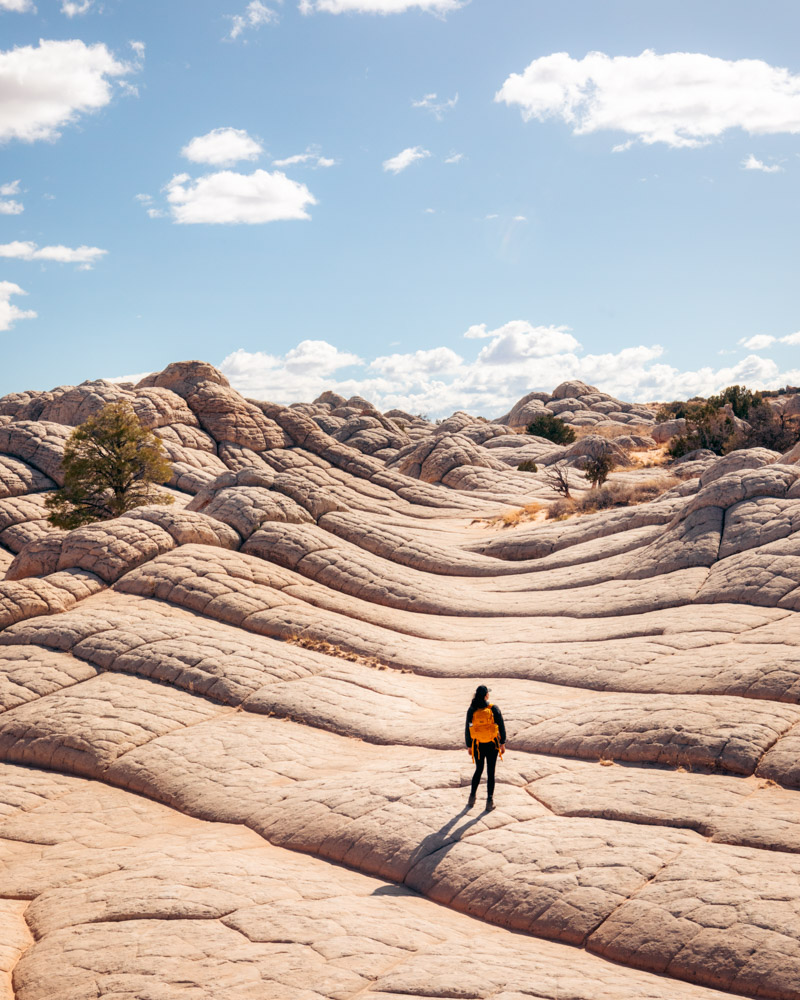
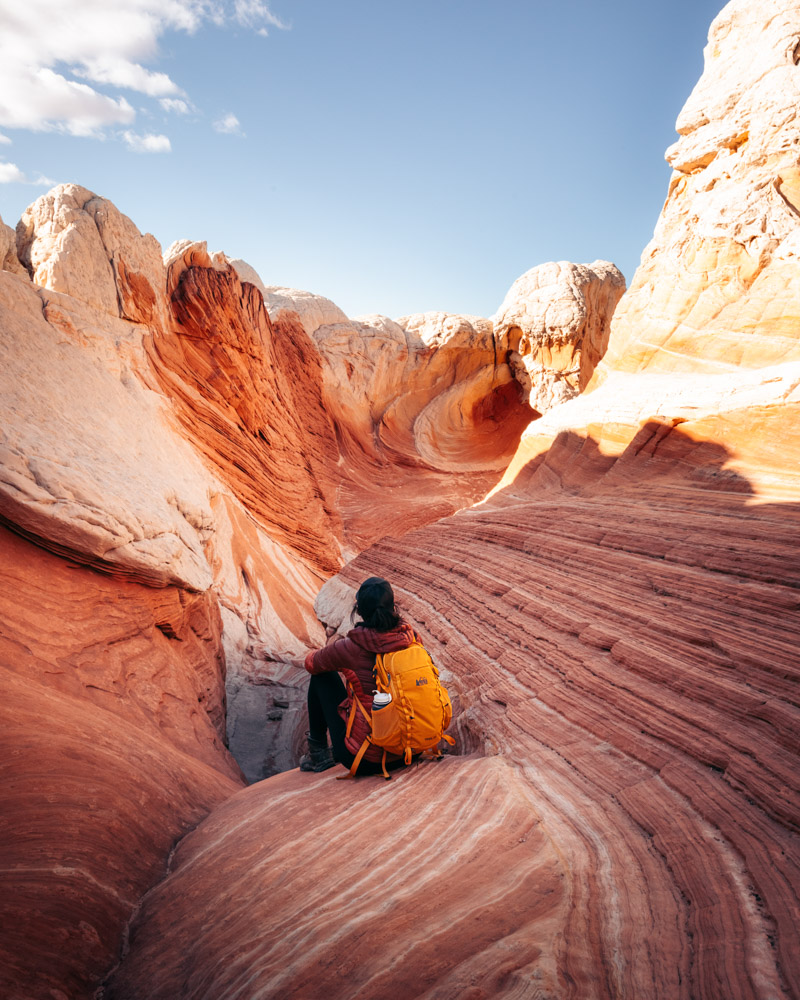
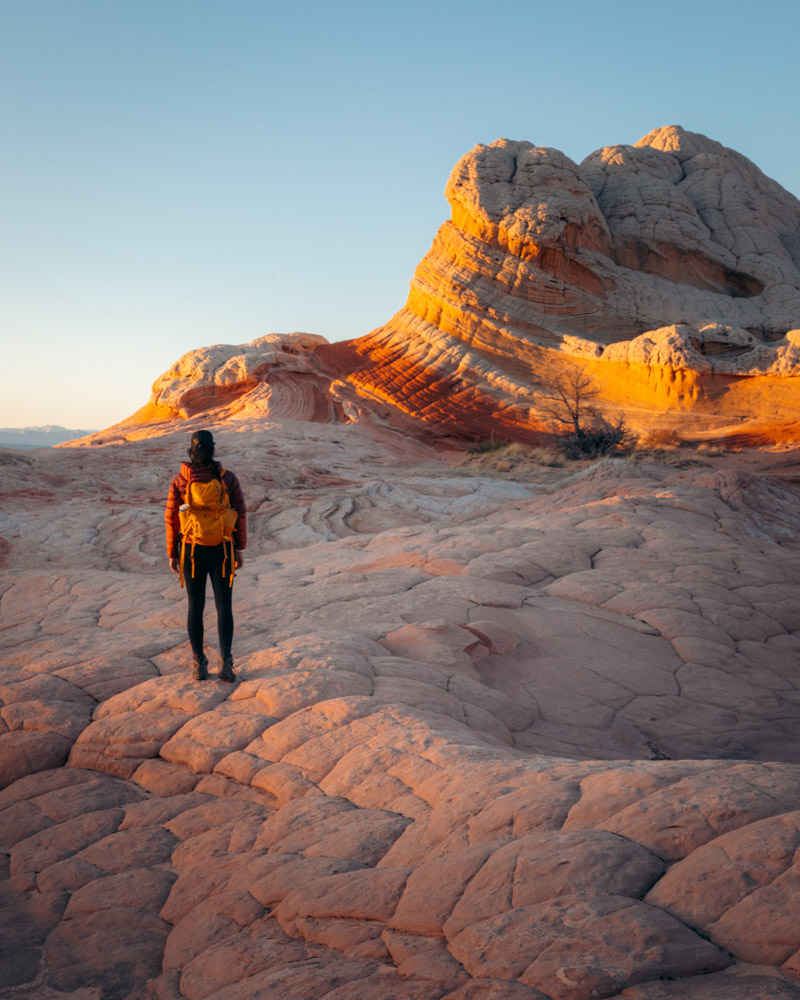
White Pocket looks like another planet — swirling sandstone, brain rock formations, colors that shift every few minutes as the light changes. It’s one of the most photogenic places in the Southwest, and one of the most intimidating to reach.
The road kept me from going for years. Seven miles of deep sand, no cell service, and endless stories of people getting stuck. So I hired a guide.
It got me there.
But if I went back tomorrow, I’d rent a Jeep and do it myself.
The road reality
The access road to White Pocket has a reputation: deep sand, unmarked turns, no cell service, and rescue costs that can run into the thousands. Most rental agreements explicitly prohibit this road.
Here’s the thing — it’s not impossible.
Difficulty depends heavily on conditions. Recent rain can make it impassable, but in dry weather with a capable 4WD, it’s slow and bumpy rather than technical. Watching the road from the guide’s vehicle, I realized I could have handled it with the right rental and aired-down tires.
The real risk is isolation. If you get stuck, you’re on your own until someone happens by. That’s the strongest argument for either hiring a guide or traveling with a second vehicle.
White Pocket sits within the Paria Canyon–Vermilion Cliffs Wilderness, managed by the Bureau of Land Management, and the remoteness is very real.
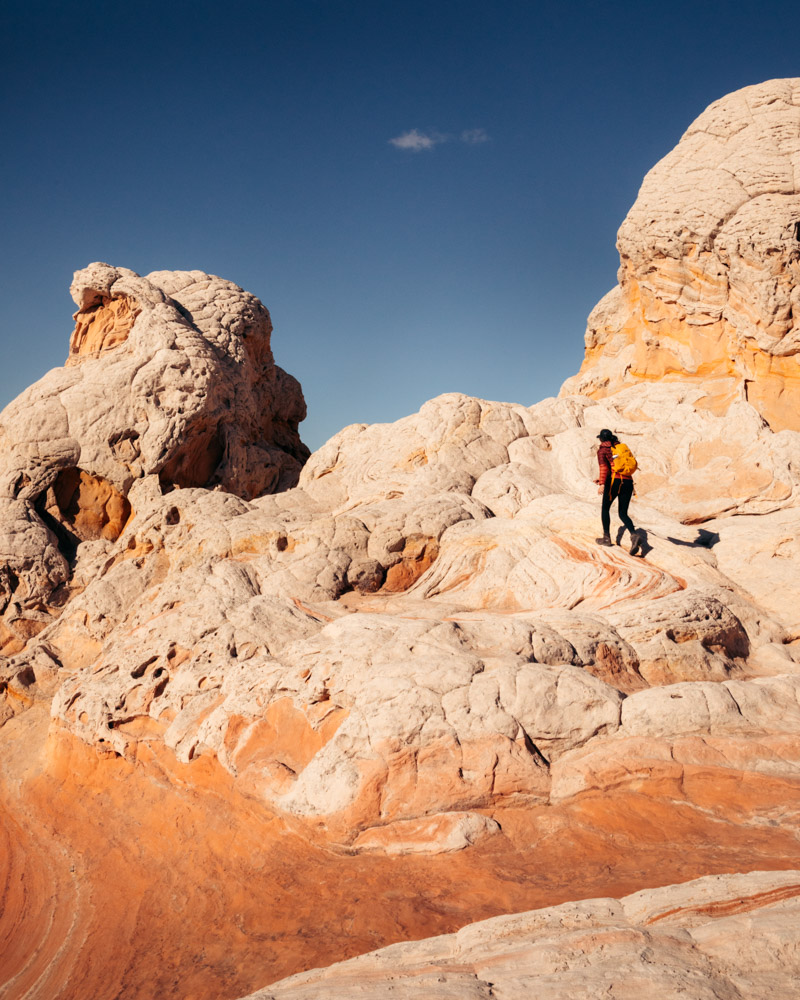
What the guided tour was actually like
I booked a sunset tour — cheaper than the big outfitters after getting a recommendation from hikers I met at Yant Flats.
The drive out was smooth. The guide knew the road, pointed out landmarks, and got us there efficiently.
Then reality hit.
I was sharing the tour with another couple who hadn’t checked the weather. As sunset approached, temperatures dropped and they were freezing. I ended up giving them my extra layers. The guide started pushing to leave early because they were uncomfortable.
I held out for sunset — barely. But I spent four hours managing someone else’s poor planning instead of wandering freely through one of the most surreal landscapes I’ve ever seen.
The other frustration was autonomy. White Pocket isn’t big. You can see the entire area from most high points. Getting lost isn’t a real risk. But I was tethered to the group — moving at their pace, on their schedule.
For someone who travels solo regularly, that lack of freedom was the hardest part.
What I’d do differently
Option A: Private tour.
More expensive, but you control the pace and don’t depend on strangers.
Option B: DIY with the right setup.
Rent a Jeep Wrangler or similar from a company that explicitly allows off-road use. Air down tires for the sand. Bring recovery boards if you have them. Travel with a second vehicle if possible — or at minimum, leave a clear plan with someone you trust.
Option C (what I’d actually do):
Rent the Jeep, drive out in the afternoon, camp overnight, and wake up for sunrise. People were doing exactly this while I was there. No guide. No schedule. Just the landscape and the light.
Permits & access
When I visited, I don’t recall needing a specific permit to access White Pocket itself, but land management rules in this area do change.
Before you go, check current BLM guidance for the Paria Plateau and surrounding areas to confirm access requirements and road conditions.
(This is especially important if you’re planning to camp)
When to go
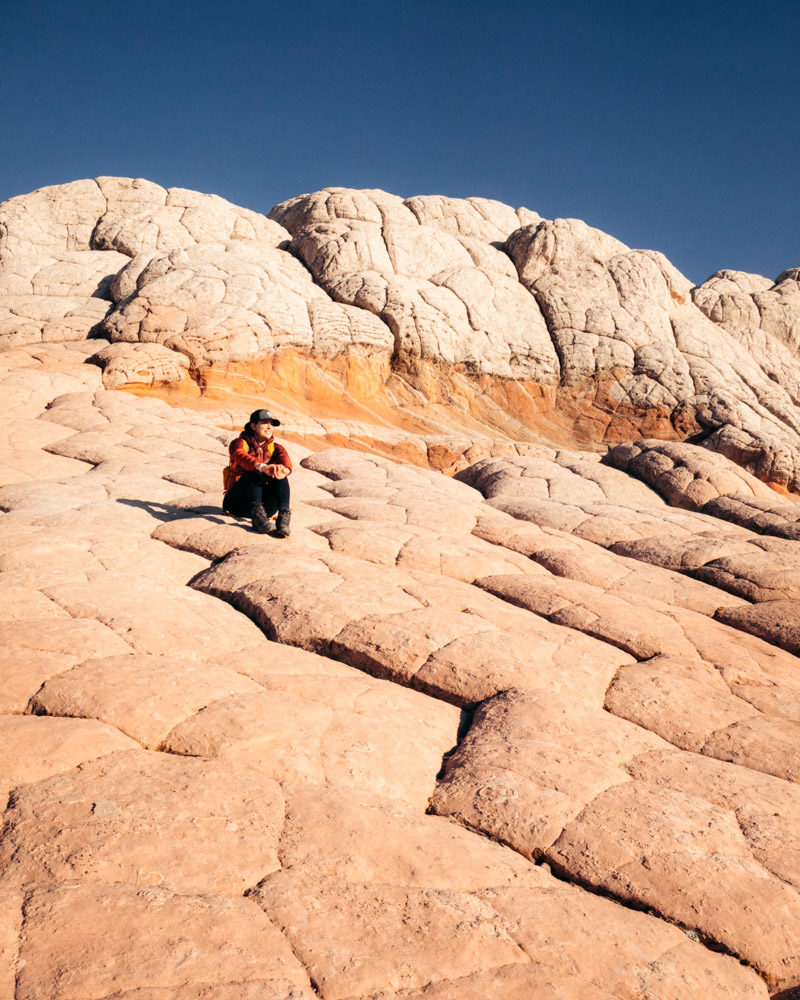
- Spring & fall: Ideal — mild temps and generally manageable road conditions
- Summer: Brutally hot with monsoon risk; rain can make the road impassable for days
- Winter: Possible, but cold mornings and challenging for camping
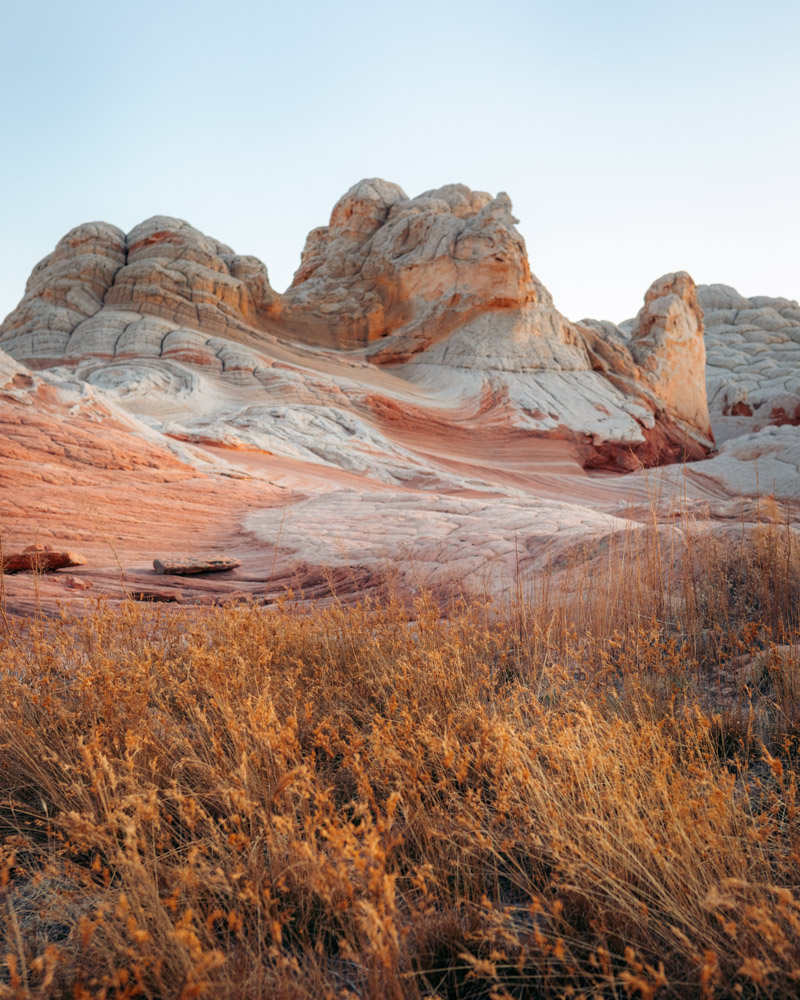
- Light: Sunrise and sunset are best; midday light is harsh, but overcast can still photograph well
What to bring
- More water than you think
- Layers — temperatures drop fast at sunset
- Headlamp if staying late or camping
- All food and snacks (there’s nothing out there)
- Sunscreen and hat
- Camera with a wide-angle lens
Is it worth it?
Yes. Even with the frustrations, White Pocket delivered.
The formations are genuinely bizarre — brain rock, swirls, fins, patterns that don’t look real. Four hours wasn’t enough. I wanted to wander every ridge, watch the shadows move, and find angles no one else had shot.
Next time, I will.
🏜️ More Southwest Adventures
White Pocket is just one stop in an incredible region. Plan more of your trip:
- Nearby Slot Canyons: Ultimate Guide to Utah’s Lesser-Known Adventures — Includes Paria Canyon, Buckskin Gulch, and more of the Vermilion Cliffs area
- Solo Travel Tips: Solo Backpacking for Women: Complete Guide to Wilderness Independence
- More Utah: Complete Guide to Goblin Valley State Park