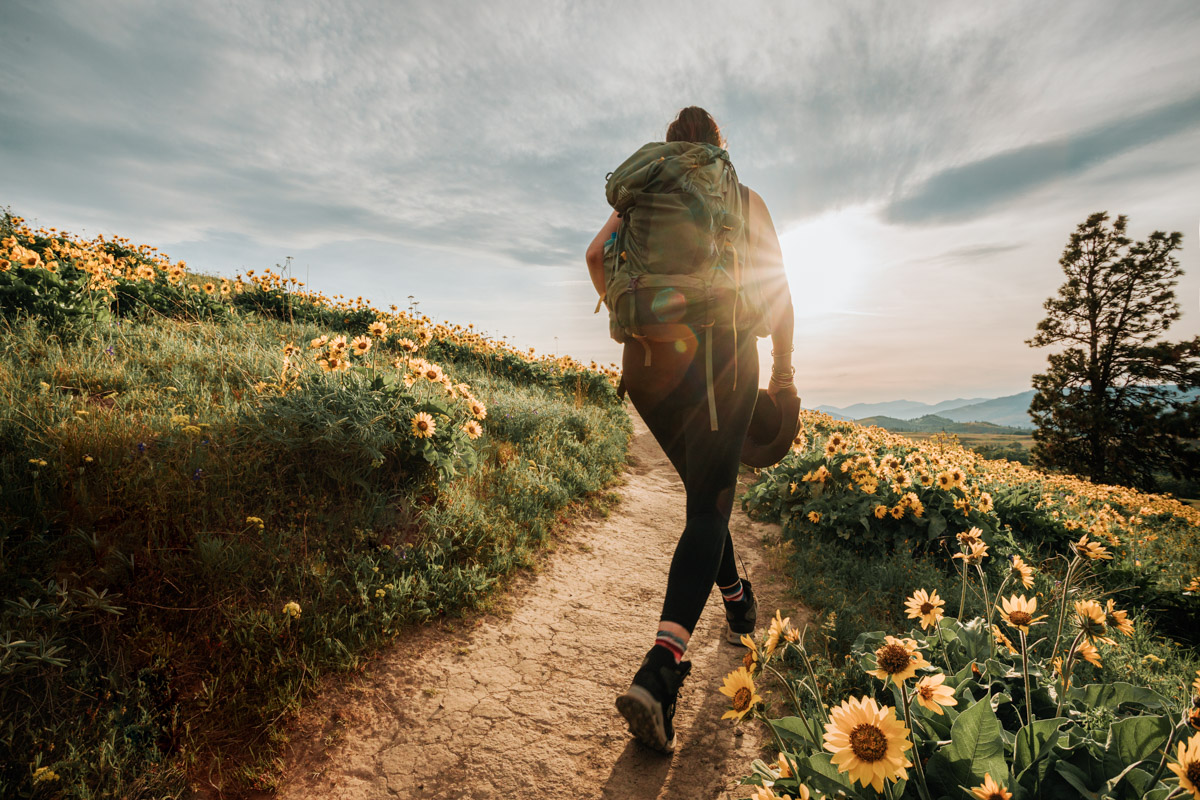

How to Spend 5 Adventurous Days in Escalante Utah
I’ve been to Escalante twice now.
The first time, I brought my kids. We climbed hoodoos at Devils Garden, squeezed through Spooky Gulch (they loved it), and watched them discover what slot canyons feel like from the inside.
The second time, I came with a friend and a bucket list. Golden Cathedral. Reflection Canyon. The hikes I’d been dreaming about for years.
Five days wasn’t enough. It never is here. But what we got was unforgettable: light pouring through sandstone ceilings, a midnight rainstorm that humbled us, and the kind of desert silence that makes you forget the rest of the world exists.
Grand Staircase-Escalante isn’t a drive-up park. There are no shuttle buses, no visitor center crowds, no hand-holding. You have to work for it—and that’s exactly why it rewards you the way it does.
This guide pulls from both trips—the kid-friendly slots and the bucket list hikes. Here’s how I’d spend five days.

Before You Go
This place is remote. Escalante is hours from anywhere. Gas up before you arrive—and again before you leave. Stock up on food and water in town. Once you’re on dirt roads, you’re on your own.
Cell service disappears. Download your maps before you leave town. AllTrails offline, Google Maps offline, Gaia if you have it. We lost signal within minutes of leaving pavement.
Weather matters. Summer is brutally hot. Winter can be cold and wet. Spring and fall are ideal—but flash floods are real in slot canyons, so check forecasts obsessively.
Best months: Late September through early November, or March through May
Where to Stay
Escalante Outfitters offers rustic log cabins, perfect for adventurers exploring Grand Staircase–Escalante. It’s a wonderful budget option. And the pizza in the on site restaurant is AHMAZING. You can check them out HERE.
Ofland Escalante blends modern comfort with nature, featuring stylish cabins, vintage airstreams, and campsites. I wouldn’t recommend the campsites for tents , only vans or campers. The amenities like a pool, hot tub, and stunning desert views make it a great stay! You can check it out HERE.


Where to Eat
Hell’s Backbone Grill & Farm (Boulder) — Farm-to-table, locally sourced, worth the drive. This is a destination meal, not just trail fuel. Make a reservation.
Escalante Outfitters — Wood-fired pizza after a hike. Exactly what you need.
4th West Pub — Escalante’s only bar. 30+ beers, pub food, a good place to decompress after a long day.
Day 1: Calf Creek Falls + Highway 12

Lower Calf Creek Falls
Start early. Like, before-sunrise early.
I watched the sun come up from Kiva Koffeehouse as I drove down to the trailhead. By the time I reached the falls, I had them completely to myself—126 feet of water crashing into a pool, no one else in sight.
As I hiked out, the crowds were hiking in.
That’s the trade. Get up in the dark, and you get the waterfall alone. Sleep in, and you share it with everyone else.
The hike is 6 miles round trip through a stunning desert canyon, past ancient pictographs, ending at that waterfall. The water is freezing. Swim anyway—especially if you have it to yourself.
If you want more: Upper Calf Creek Falls is shorter (2 miles) but steeper, with a quieter swimming hole and fewer people even at normal hours.
Highway 12 Scenic Drive
After the hike, drive Highway 12. Stop at the overlooks. Get coffee at Kiva Koffeehouse if you didn’t already—the views are worth a second visit. This is one of the most beautiful roads in America. Don’t rush it.

Devils Garden (Sunset)
End the day at Devils Garden—a playground of hoodoos, arches, and sandstone formations. Best at sunset when the rocks glow orange and pink. Climb around, explore, stay until the light fades..
Day 2: Slot Canyons


Peek-a-Boo & Spooky Gulch
The slot canyon introduction
Start early. This 4.4-mile loop takes you through two very different slot canyons—Peek-a-Boo is sculpted and photogenic, Spooky is tight enough that you’ll turn sideways and wonder if you should have skipped breakfast.
Neither requires technical skills, but both require comfort with tight spaces. If you’re claustrophobic, Spooky might not be your thing.
Zebra Slot Canyon
If you have energy left, Zebra Slot is 5 miles round trip to a canyon with striped walls that photograph like nothing else. Expect water—sometimes ankle-deep, sometimes higher. Check conditions before you go.
Alternative: Escalante Natural Bridge (4 miles RT) if you’ve had enough slots for one day.
Day 3: Golden Cathedral
The one I came for.
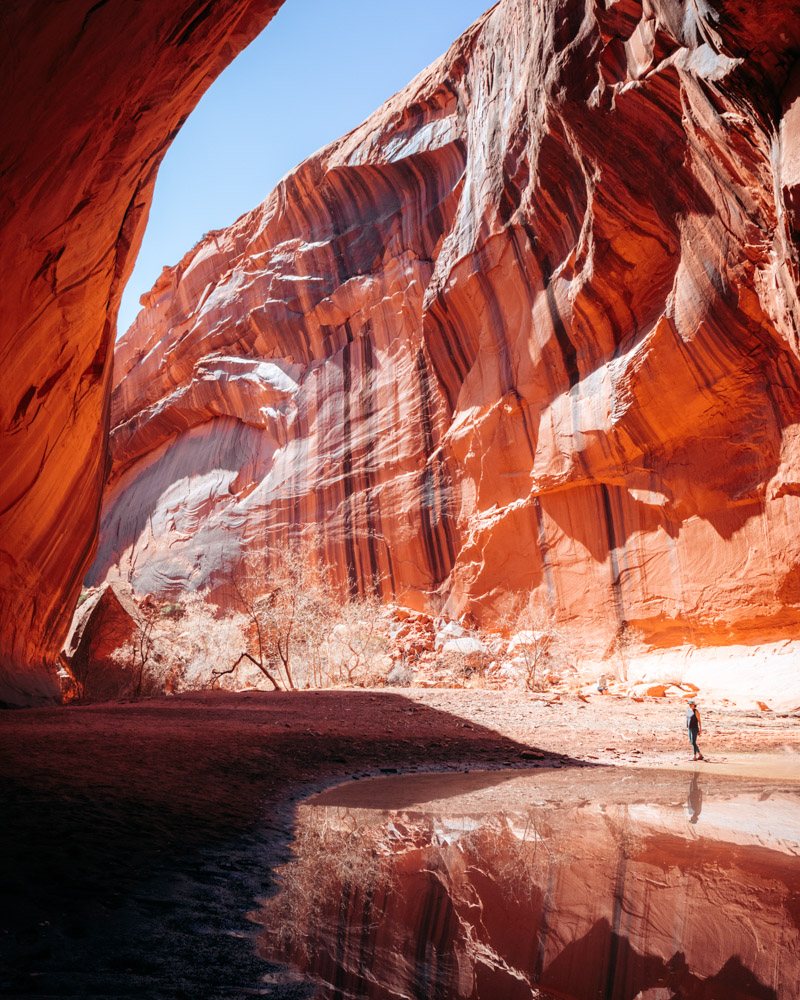
I’d seen photos of Golden Cathedral for years. Light pouring through holes in a sandstone ceiling, illuminating a hidden chamber below. It looked like something from another planet.
The reality exceeded the photos.
The hike is 9 miles round trip through Neon Canyon—and “hike” undersells it. Stream crossing after stream crossing, scrambling over boulders, route-finding through terrain that doesn’t always cooperate. Your feet will be wet. Your legs will be tired. None of that matters when you arrive.
The cathedral is a natural amphitheater with skylights carved by water and time. When the light hits right, the whole space glows. We stood there in silence, trying to memorize it.
What you need to know:
- This is a serious hike. Download maps, bring plenty of water, start early.
- Multiple stream crossings—wear shoes that can get wet and still support your feet.
- The final descent into the cathedral requires some scrambling. Take your time.
- Midday light is best for the cathedral itself.
This was the highlight of the trip. Maybe the highlight of the year.
Days 4–5: Choose Your Overnight
Golden Cathedral will leave you tired. Don’t try to stack it with another big effort the next day. Rest, recover, then choose your overnight adventure.
Option 1: Reflection Canyon
The bucket list destination
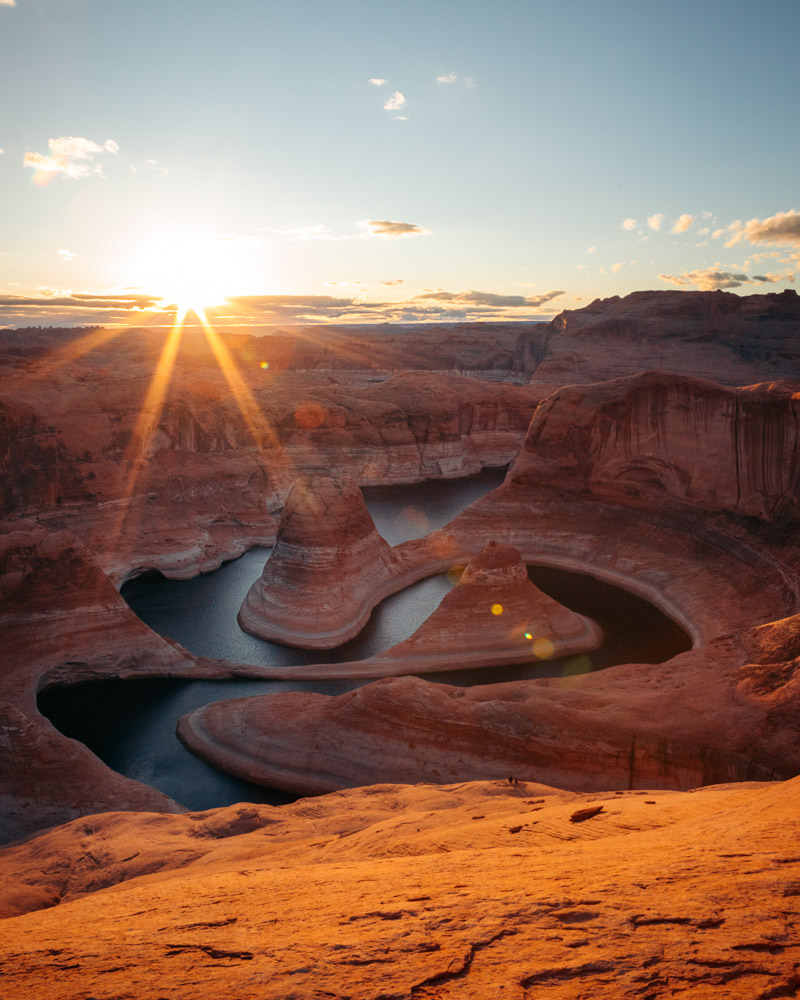
Reflection Canyon had been on my list even longer than Golden Cathedral. That perfect bend of Lake Powell, cliffs dropping into turquoise water, one of the most photographed—and least visited—viewpoints in Utah.
It requires an overnight. 15+ miles round trip, no water, no trail for portions. This is the harder option—but the payoff is enormous.
The first night, we cowboy camped under the stars. No tent, just sleeping bags on the ground, the Milky Way overhead. It felt perfect.
It lasted until about midnight.
The wind picked up. Then the rain started. We scrambled to set up the tent in the dark, laughing at ourselves for thinking we’d get away with sleeping under open sky in the desert. The tent went up crooked, stakes half-buried in sand, but it held.
The next morning, we packed wet gear and hiked the final stretch to the rim.
And then we stood at the edge of Reflection Canyon, and none of the night before mattered.
The scale is incomprehensible. Lake Powell bends below impossible cliffs, the water bright against red rock, the silence absolute. After years of looking at photos, the real thing felt surreal—bigger, quieter, more remote than I’d imagined.
What you need to know:
- No water sources—carry everything you need.
- Navigation can be tricky. GPS tracks are essential.
- Camp well back from the rim—it’s exposed and windy.
- Check weather obsessively. Flash floods in the washes are real.
- Worth it for sunset and sunrise at the rim.

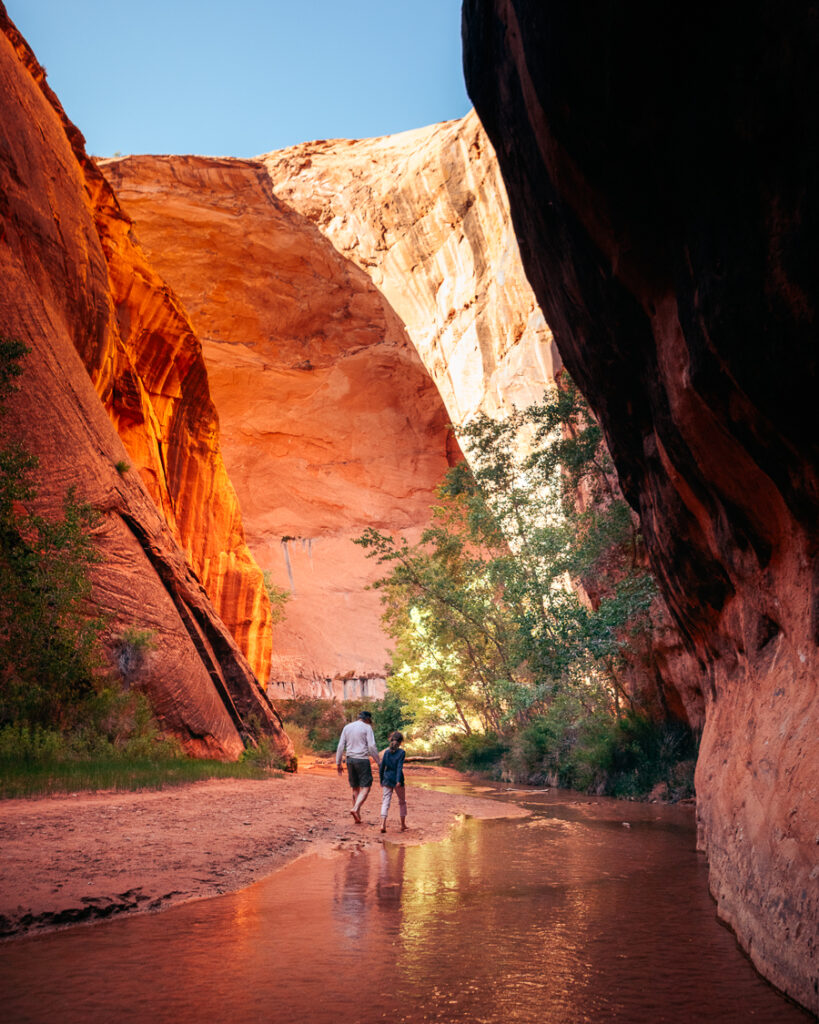
Option 2: Coyote Gulch
The classic Escalante overnight
If Reflection Canyon feels like too much, Coyote Gulch is the more accessible alternative—and it’s spectacular in its own right.
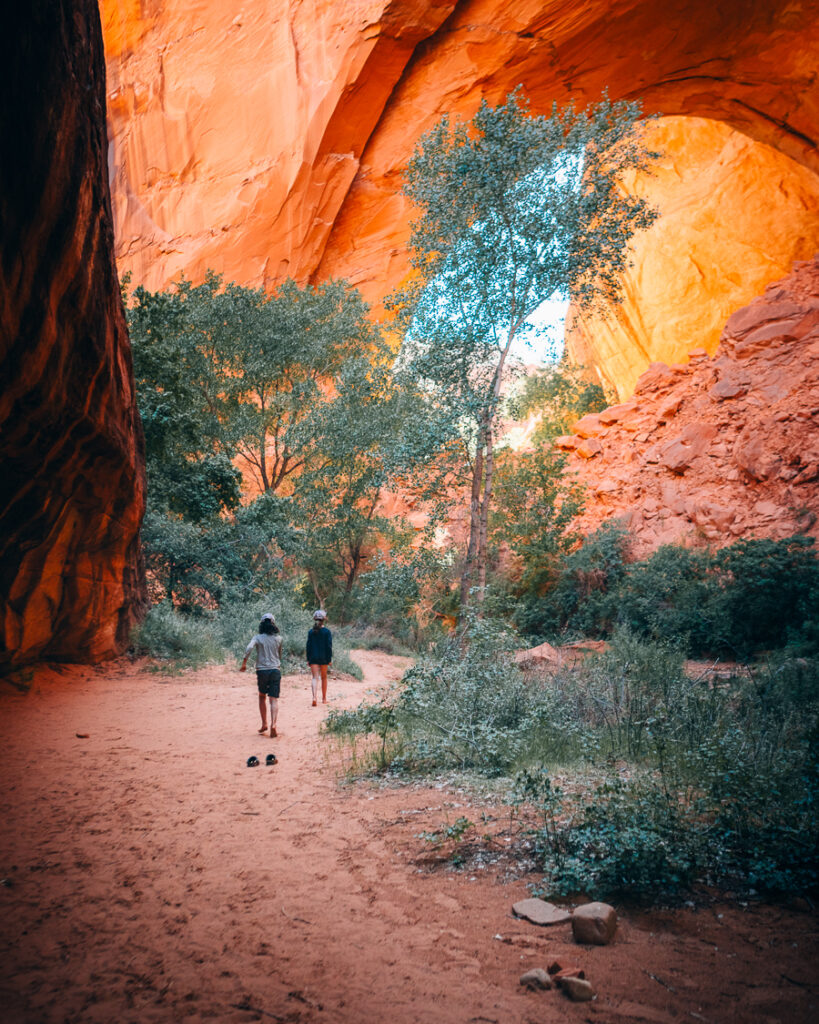
The gulch has everything: towering red rock walls, natural arches, waterfalls, and campsites right by Jacob Hamblin Arch. Unlike Reflection Canyon, there’s water in the gulch, which makes the logistics easier.
Access is via Hole in the Rock Road, and there are multiple route options depending on how much mileage you want. The shorter routes get you to the good stuff faster; the longer routes offer more solitude.
I’ve done this one too, and it delivers. If you’re newer to desert backpacking or want a less committing overnight, start here.
What you need to know:
- Multiple trailhead options—research which route fits your mileage goals.
- Water available in the gulch (filter it).
- Jacob Hamblin Arch campsites are popular—arrive early or hike further for solitude.
- Easier navigation than Reflection Canyon.
Other Day Hike Options
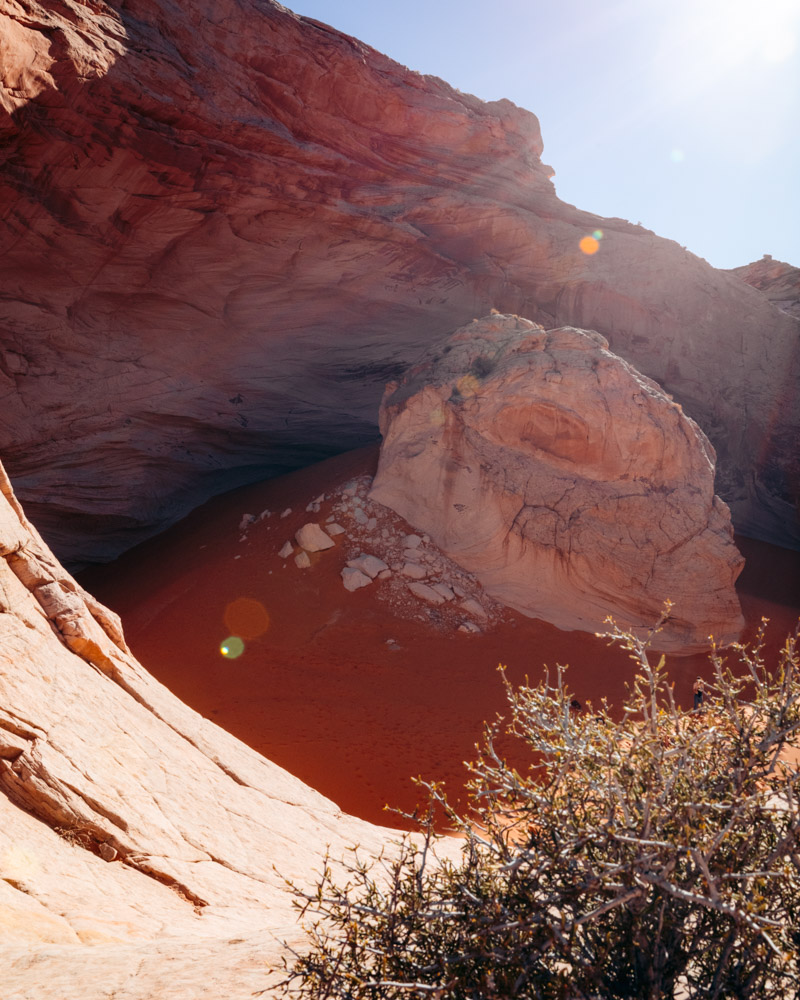
Cosmic Ashtray — A surreal bowl-shaped rock formation. Shorter commitment, totally unique.
Escalante Natural Bridge — 4 miles round trip to a massive rock bridge along the Escalante River. Good recovery day option.
What I’d Do Differently
More days. Five is better than four, but seven would let you breathe—add both overnights, explore more slots, have a real rest day.
Bring the tent from the start. Cowboy camping sounds romantic until the weather turns. The desert doesn’t care about your plans.
More water than you think. There’s no resupply out there. Carry extra.
Why Escalante
There are easier places to visit. Places with paved roads, visitor centers, and cell service.
Escalante isn’t that. It’s rough and remote and unforgiving. It requires planning, preparation, and a willingness to be uncomfortable.
But standing in Golden Cathedral with light streaming through the ceiling, or watching sunrise over Reflection Canyon after a night of chaos—those moments don’t happen at drive-up overlooks.
You have to earn them. And that’s exactly why they stay with you.
Five days won’t cover it all. But it’s enough to understand why you’ll come back.