Scenic Hot Springs Washington: Permit Info, Trail Guide + What to Expect
Last Updated: February 2026 | Reading Time: 12 minutes | Difficulty: Moderate (summer) / Hard (winter)
There’s something surreal about hiking 2.5 miles through dense Cascade forest, gaining roughly 1,100 feet, and then slipping into steaming pools tucked into a quiet hillside. Scenic Hot Springs delivers one of the most rewarding “work for it” experiences in Washington — but it’s not a roadside soak or a casual detour.
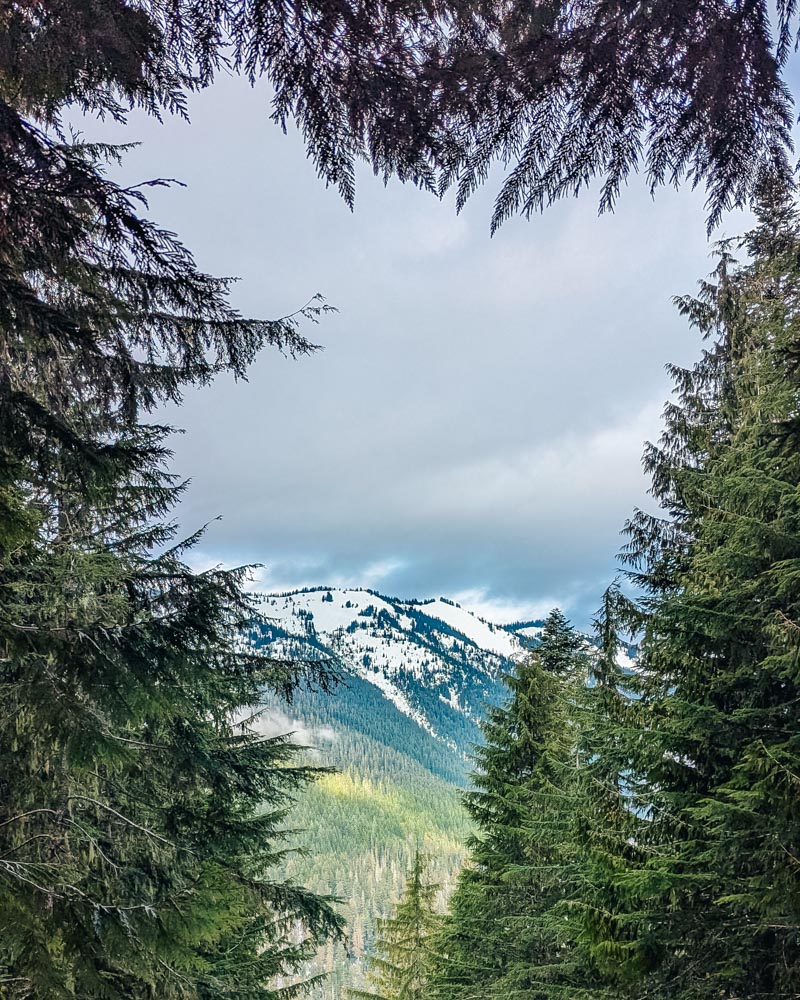
Perched near Stevens Pass at around 4,200 feet, Scenic feels like a hidden pocket of warmth in the mountains. The setting is forested and surprisingly private, with occasional peekaboo views and that unmistakable alpine stillness.
One important thing up front: permits sell out fast. This guide covers how booking works, what the hike is like in different seasons, what to pack, and how to visit in a way that keeps Scenic open to the public.
Quick Facts: Scenic Hot Springs
Distance: 2.5 miles one way
Elevation Gain: ~1,100 feet
Water Temperature: ~100–104°F (varies by pool and season)
Permit Cost: $30 per person (as of 2025)
Access: Permit required, no walk-ups
Season: Year-round (snow travel typically required in winter)
Difficulty: Moderate in summer / Hard in winter
The Permit Reality: What You Need to Know
Unlike every other hot spring in Washington, Scenic sits on private land with strictly controlled access. The landowners The Permit Reality: What You Need to Know
Scenic Hot Springs is private land with tightly controlled access. The owners deserve real credit for keeping it open to the public — but it also means you have to plan ahead. If you don’t have a permit, you can’t go. There’s no walk-up access.
How reservations work:
- Permits are released online through the official booking portal
- Weekend permits can disappear within minutes of release
- Weekdays sometimes last longer, but still sell out quickly
- No walk-ups allowed (even if it looks quiet)
Pro tip from experience: If you’re planning a group trip, have multiple people ready to try booking the moment permits drop (one person logged in per device). And if you’re flexible, weekday mornings tend to be the easiest permits to snag.
Getting There: Navigation and Logistics
Location: Near Stevens Pass off Highway 2. Exact directions are provided after you book your permit — and they should not be shared publicly.
Driving + trailhead notes:
- From Seattle: plan on roughly 2 hours via Highway 2
- Parking is limited roadside — carpool if possible
- No facilities at the trailhead
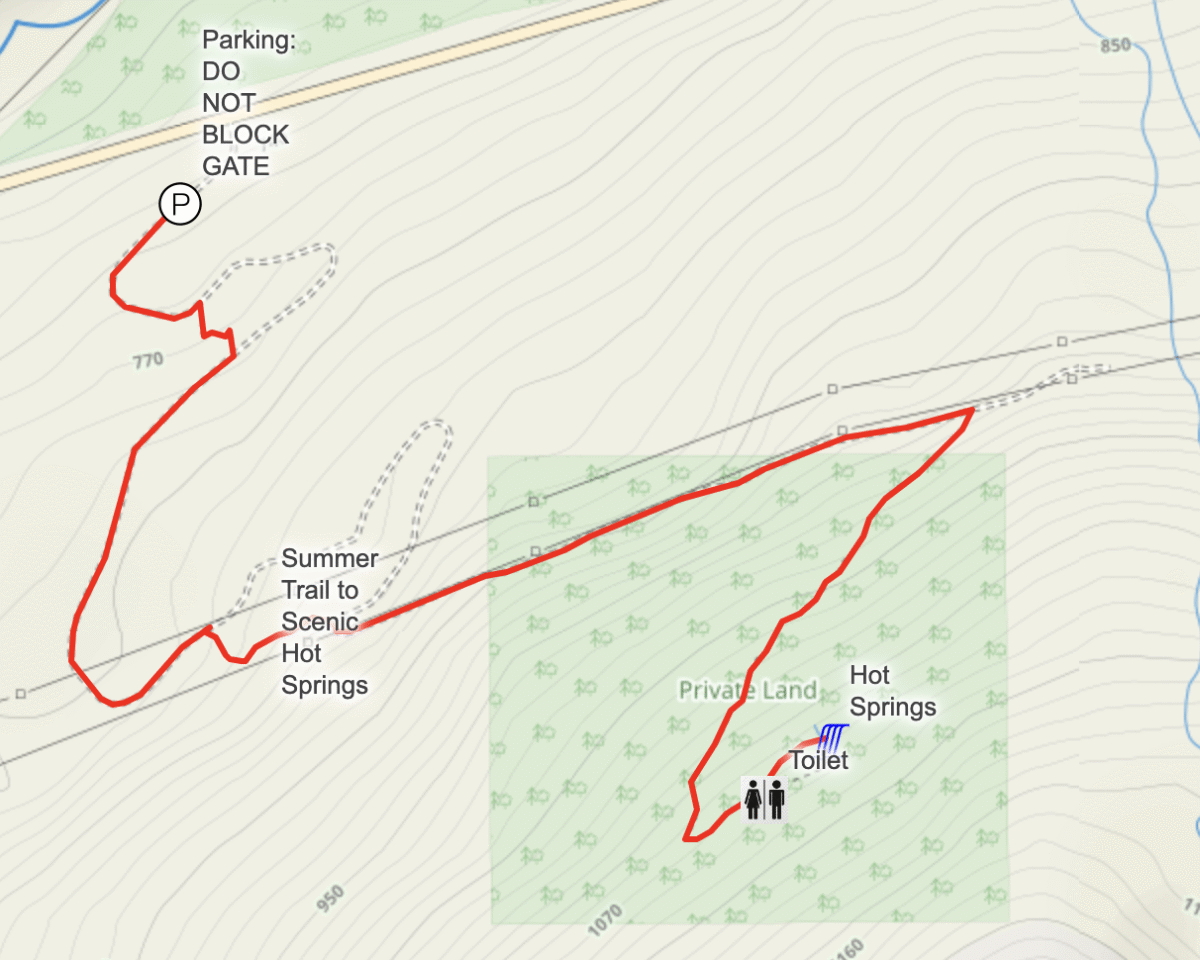
The hike (summer conditions): Expect a steady climb through dense forest with sections of moderate grade. The trail is generally clear and straightforward in dry months, though muddy patches and creek crossings are common in shoulder seasons. It’s a solid workout, but very doable for experienced hikers.
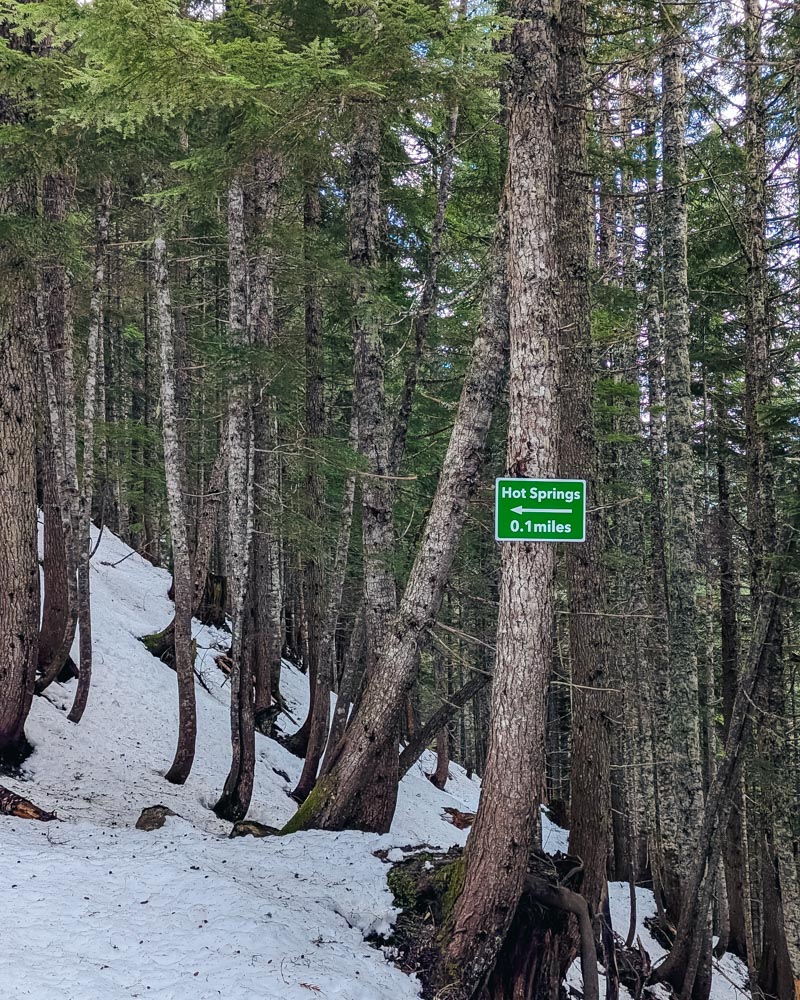
The hike (winter conditions): Winter completely changes this outing. You’ll likely be traveling on snow, navigating less-defined terrain near the upper section, and potentially encountering avalanche exposure on the final approach. This is not a beginner winter hike.
Highway 2 may require chains or traction tires in storms
Snowshoes are typically required December through March
Plan 4–5+ hours for a winter round trip
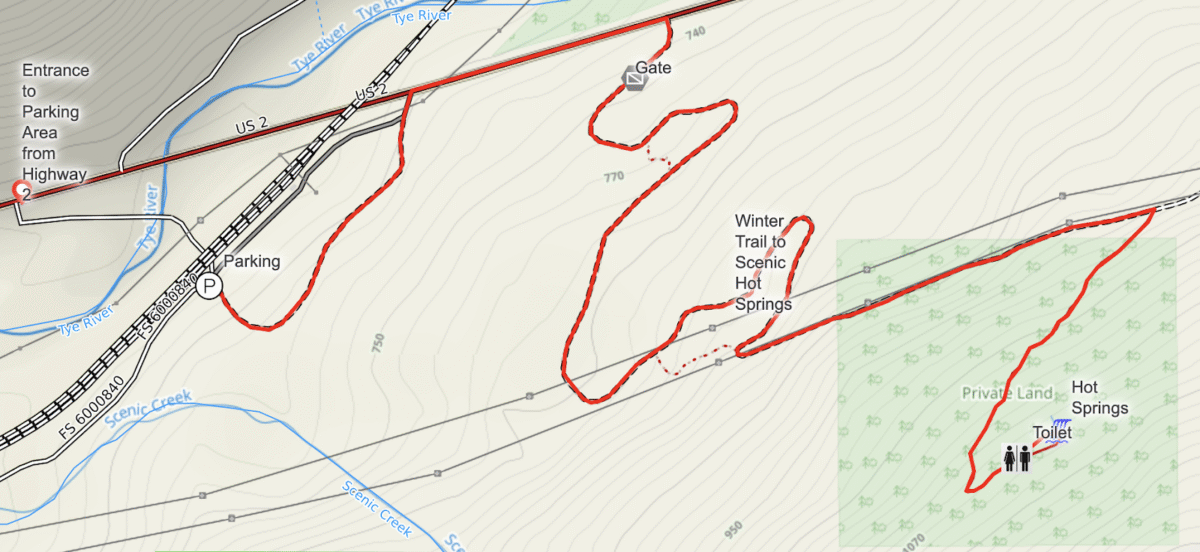
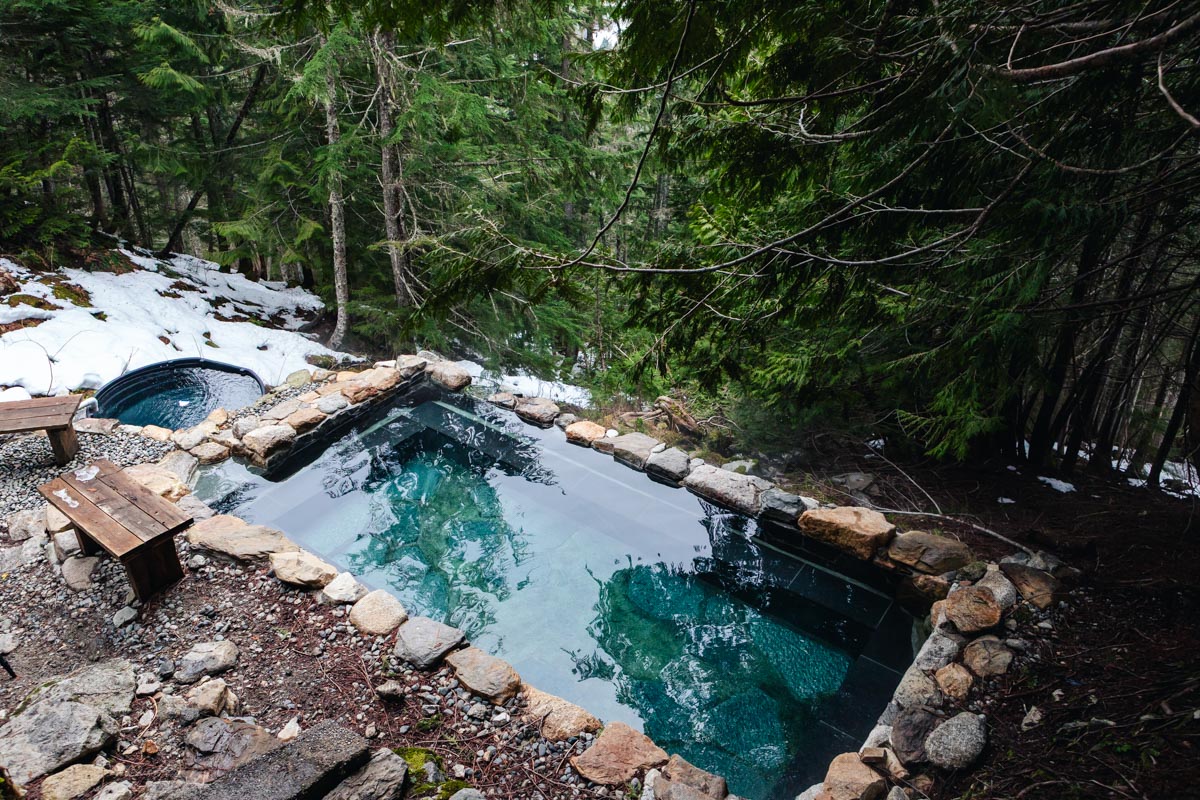
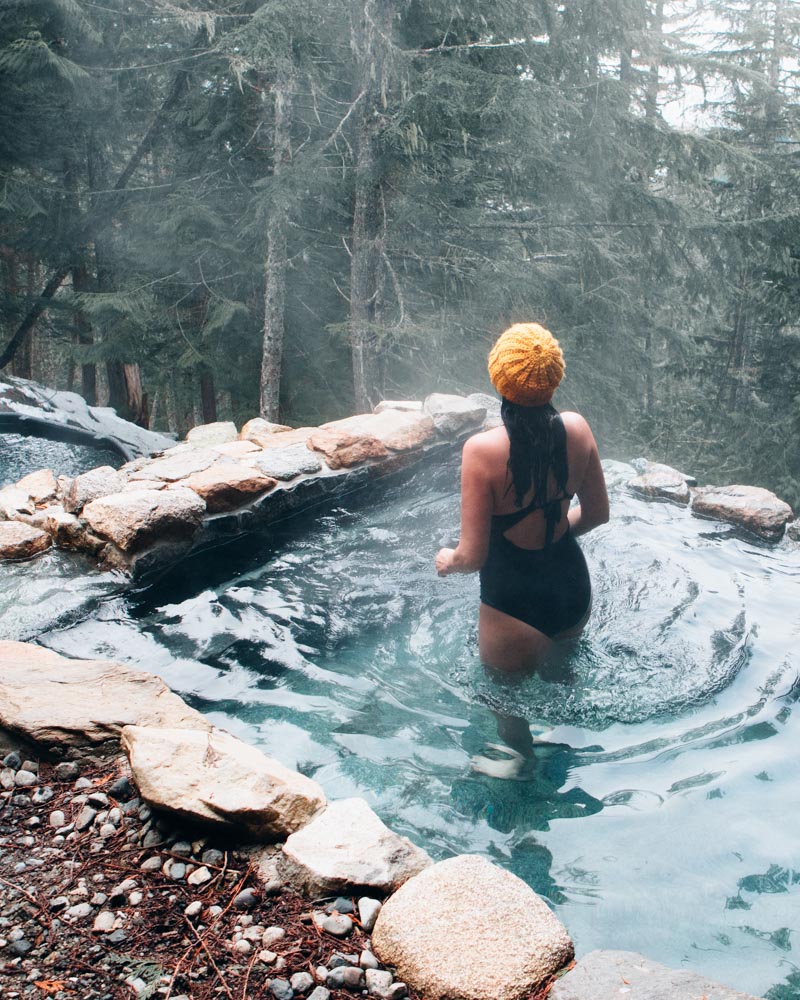
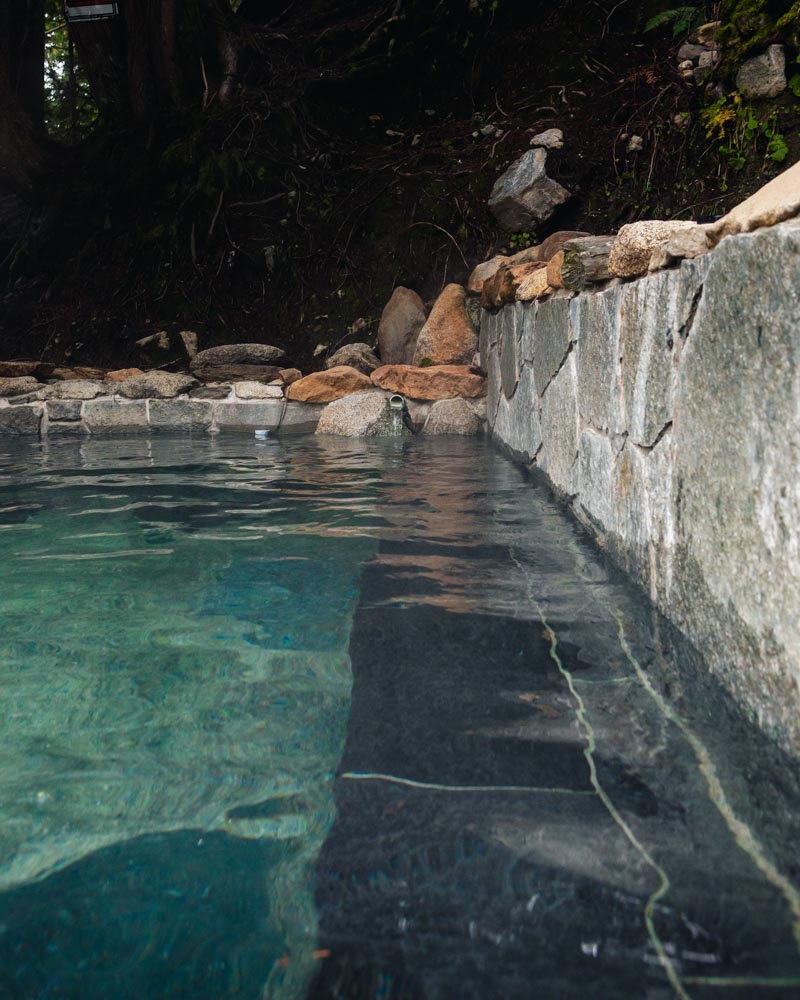
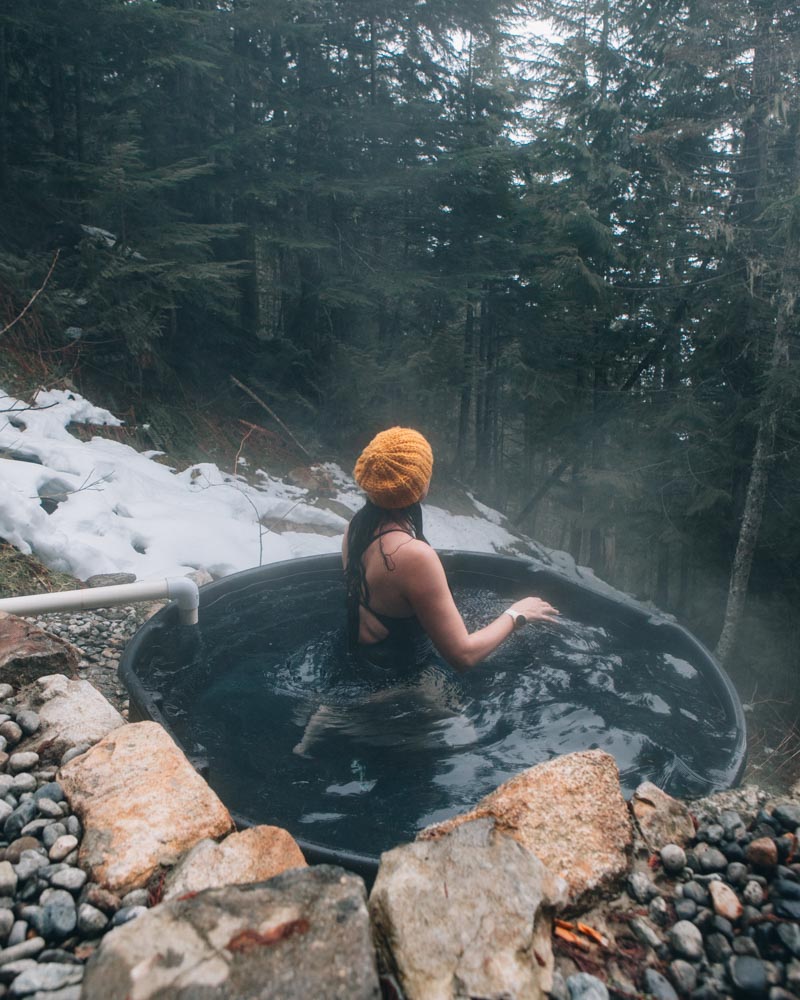
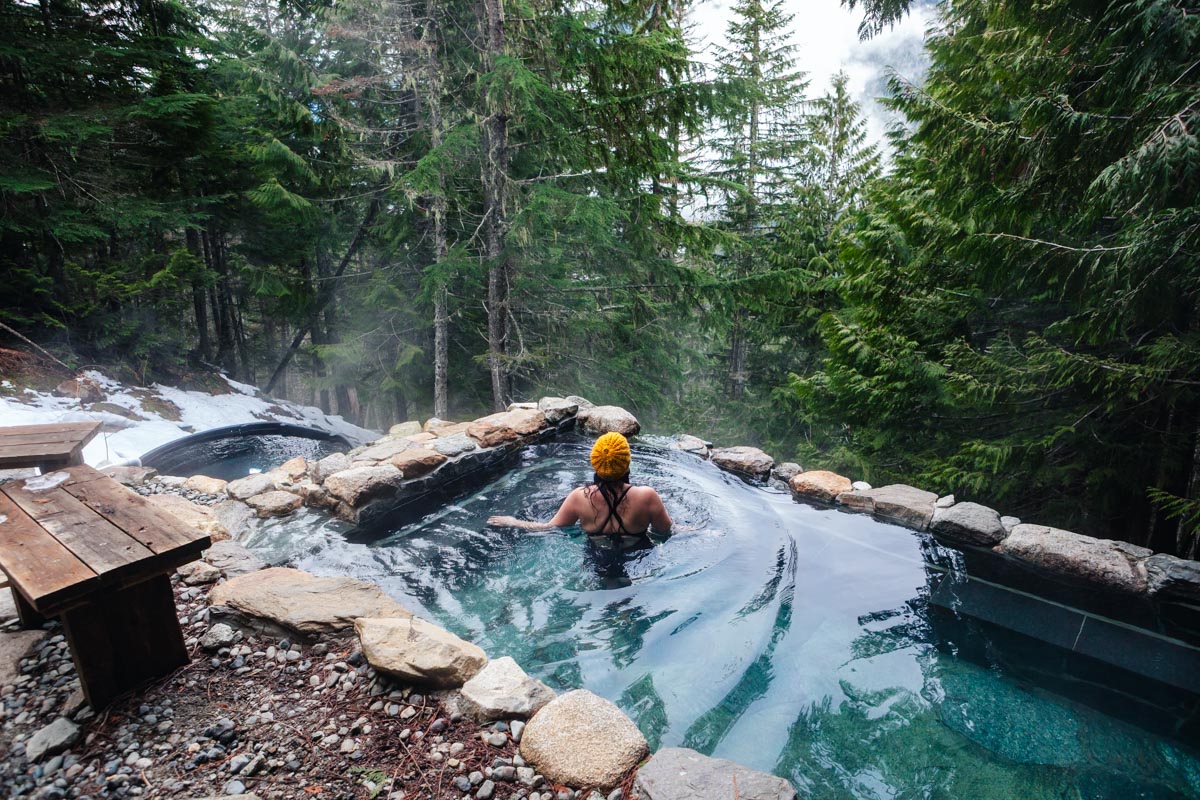
Recent improvements (2024–2025): The soaking area has been significantly upgraded with new stone pools, additional soaking tubs for capacity, improved pathways, and better changing structures. It still feels wild — just much more comfortable than the earlier makeshift setup. (Photos will be updated after my next winter reservation.)
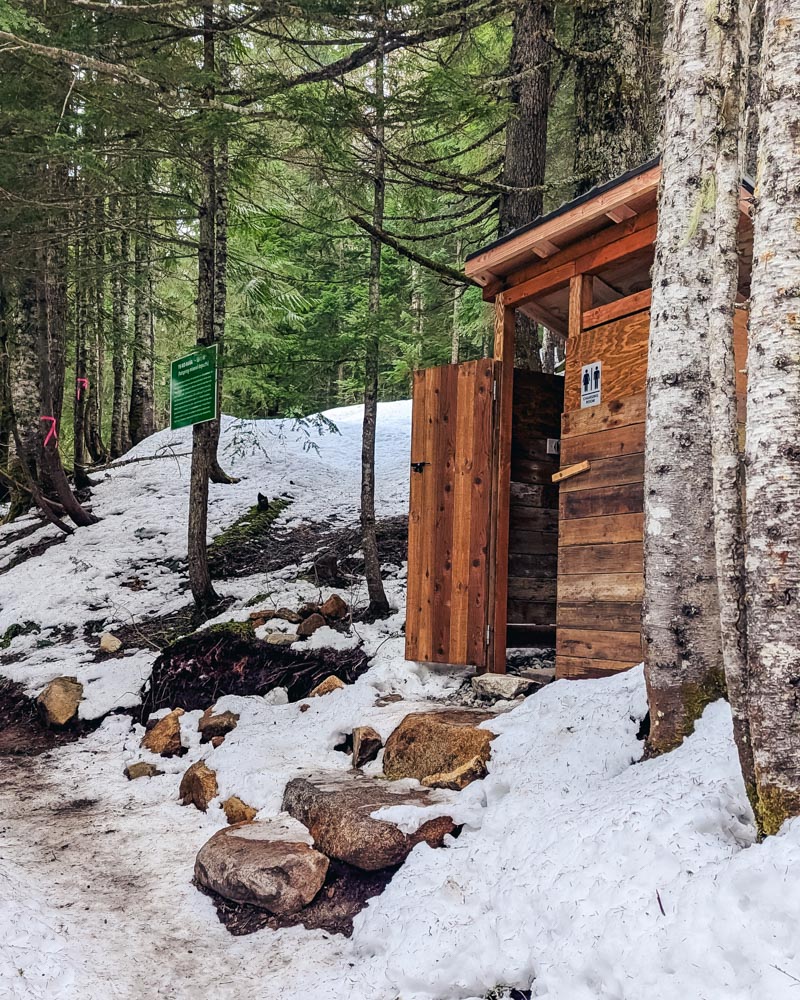
Essential Gear and Preparation
This isn’t a short roadside walk — you’re hiking 5 miles round trip with elevation, then soaking in 100°+ water. Its a good idea to pack intentionally.
Summer kit:
- Supportive hiking boots (wet, rooty sections are common)
- Swimwear (it’s often clothing-optional — bring what you’re comfortable in)
- Quick-dry towel + warm layer for after the soak
- 2+ liters of water per person
- Snacks or lunch (there are no services nearby)
- Small first-aid kit + trash bag (pack out everything)
Winter additions:
- Snowshoes + trekking poles
- Insulated water bottle (hot springs dehydrate you quickly)
- Extra insulation layer for post-soak chill
- Headlamp (days are short in winter)
- Offline maps or GPS backup
If you’re newer to winter hiking, I highly recommend reading my guide to how to start snowshoeing in Washington before attempting this in snow conditions. Scenic is very different in winter than in summer.
Gear I personally use: MSR EVO snowshoes (reliable and durable), Kahtoola MICROspikes for icy approaches, trekking poles for the steady climb, and a dependable headlamp for winter starts. I also bring a small dry bag to keep warm clothes dry and a compact quick-dry towel for soaking.
If you’re building out a broader winter plan, pair this with my guide to the best winter hikes in Washington — especially if you’re combining a soak with another trail nearby.
What to Expect at the Springs
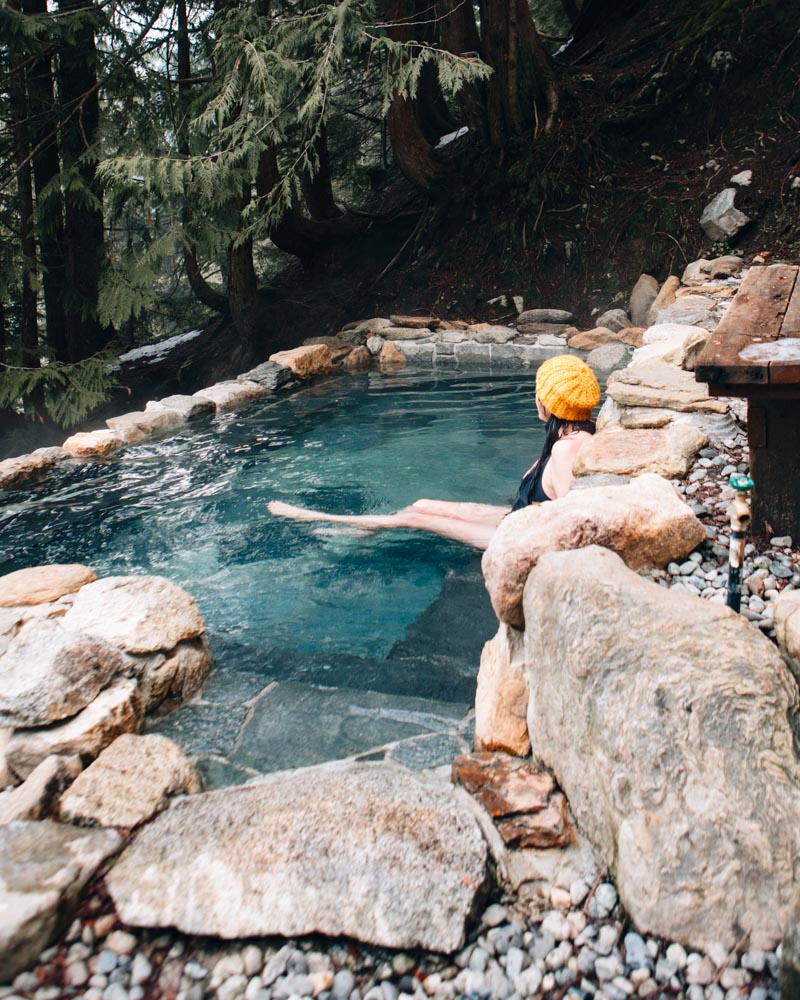
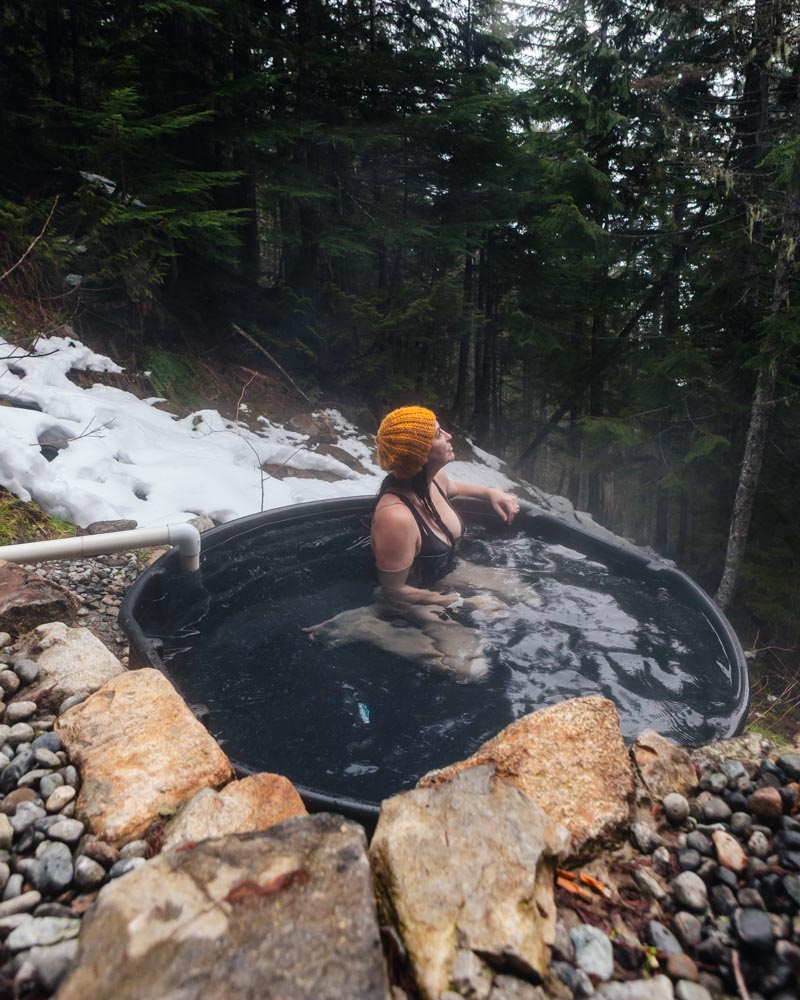
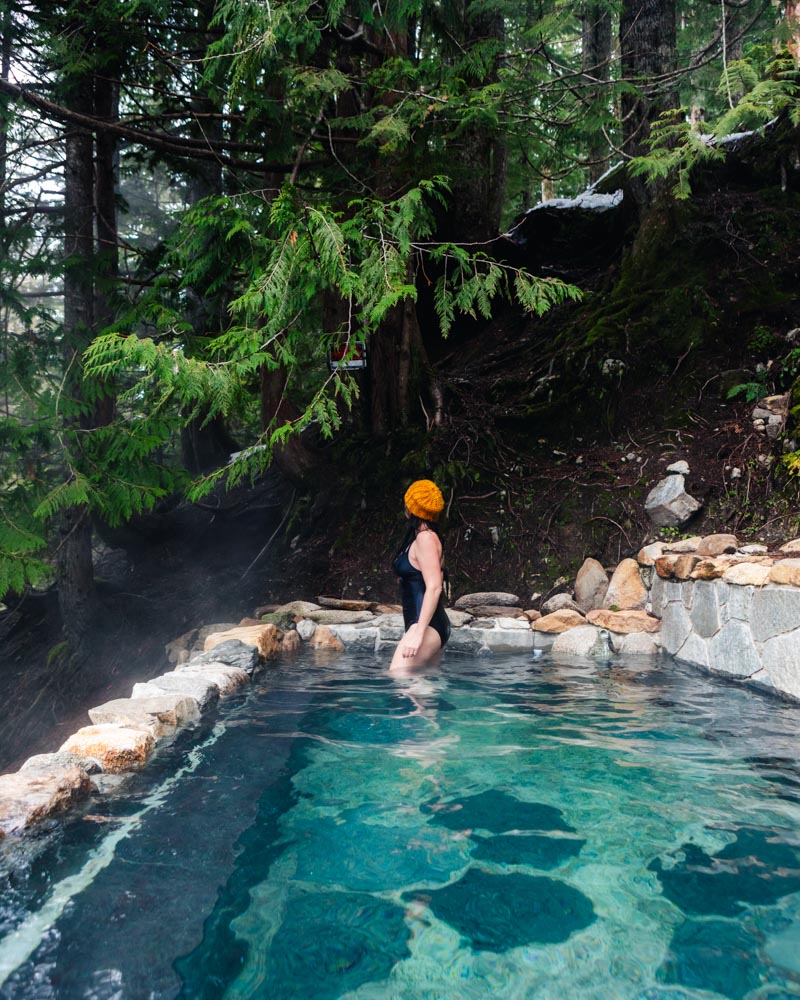
This is the payoff. After the steady climb, the pools appear tucked into a forested hillside — steam rising, evergreens surrounding you, and the kind of quiet that feels very Cascades.
The soaking area is tiered, with multiple pools offering slightly different temperatures and experiences:
- Main stone pool (top level): The largest and most social pool. Water flows in at one end, so temperatures vary slightly depending on where you sit.
- Smaller stone pool (middle tier): A more intimate soak, often quieter.
- Lower tubs: Smaller soaking options that can run hotter and are better for individuals or pairs.
Unlike ridge hikes with expansive summit views, the magic here is more intimate. You’re tucked into the hillside, surrounded by ferns and evergreens, with filtered light and mountain air. In winter, soaking while snow falls around you feels almost surreal.
Photography tip: Early morning and golden hour offer the softest light. Be respectful when taking photos — many visitors choose clothing-optional soaking, and privacy is part of what makes Scenic feel special.
Rules and Etiquette (Please Follow These)
Scenic Hot Springs is on private land, and access is only possible because the landowners allow it. Following the rules here matters — it’s the difference between Scenic staying open to the public or disappearing entirely.
Absolute requirements:
- A valid permit is required for every person
- Day-use only (no camping)
- No alcohol, drugs, or glass containers
- No soap, shampoo, or personal care products in the pools
- Pack out everything (leave no trace applies here)
Etiquette that makes the experience better for everyone:
- Share pool space respectfully, especially during peak hours
- Keep voices low — the quiet is part of the magic
- Be considerate with photos (many people soak clothing-optional)
- Don’t monopolize the hottest pool
Winter safety add-on: Tell someone your plan and expected return time, carry a headlamp, and bring a navigation backup. If you’re visiting in avalanche season, check the forecast before you go and be honest about your experience level.
👉 If you’re building your winter confidence, start here: Start Snowshoeing in Washington State and Amazing Winter Adventures in Washington.
Best Seasons to Visit
Fall (September–November): Cooler air, fall color, and lighter crowds after Labor Day make this one of the most enjoyable times to visit. Crisp temperatures make the soak feel especially good.
Winter (December–March): The most dramatic experience — soaking in hot water while surrounded by snow. However, this is a serious winter outing that requires snow travel skills and proper gear.
Spring (April–May): Expect muddy trails and unpredictable weather. Snow may linger at higher elevations, and conditions can vary widely week to week.
Summer (June–August): The most straightforward access with dry trails and easier hiking conditions. Warm air temperatures can make the pools feel extra hot, but summer is the simplest time logistically.
If you’re planning a winter visit, pair this with my guide to the best winter hikes in Washington — it’s easy to combine a soak with another snowy adventure nearby.
Insider Tips
Go early. Starting around 6:30–7:00 AM usually means quieter pools and easier parking. Midday weekend slots tend to feel busier.
Hydrate more than usual. Soaking in 100°+ water dehydrates you quickly — especially after a steady uphill hike.
Pack your warm layer in a dry bag. Nothing is worse than finishing a soak and realizing your clothes are damp from steam or snow.
Respect the vibe. Scenic feels special because it’s quiet, low-key, and private. Keep it that way.
Planning Your Scenic Adventure
Before you go:
- Create your booking account ahead of time.
- Have backup dates ready (weekdays increase your odds).
- Check mountain weather and road conditions on Highway 2.
- Confirm everyone in your group has the right gear.
Final reality check: Scenic isn’t a spontaneous roadside soak. It takes a permit, preparation, and a bit of effort — which is exactly why it still feels rare. For hikers willing to plan ahead and respect the space, it’s one of the most memorable mountain experiences in Washington.
Looking for more soaking options? Explore my full guide to hot springs in Washington, or build a winter weekend around it with these winter hikes.
Frequently Asked Questions
Do you need a permit for Scenic Hot Springs?
Yes. A valid permit is required for every visitor, and there is no walk-up access. Permits are booked online through the official Scenic Hot Springs website and often sell out quickly.
Is Scenic Hot Springs clothing optional?
Yes. Scenic is generally considered clothing-optional. Some visitors choose swimwear, others do not. Respect for personal choice and privacy is expected.
Is Scenic Hot Springs safe in winter?
Winter visits require snow travel skills, proper gear, and avalanche awareness. The route changes significantly under snow and should not be treated as a casual beginner hike.
Can kids visit Scenic Hot Springs?
Yes, children are allowed with a valid permit. However, parents should consider the 5-mile round-trip hike, elevation gain, mountain conditions, and the clothing-optional environment before deciding if it’s the right fit for their family — especially in winter.
Are dogs allowed?
Check current rules when booking. Policies can change, and private land access means restrictions may apply.